Chalisée Naamani
Octogone
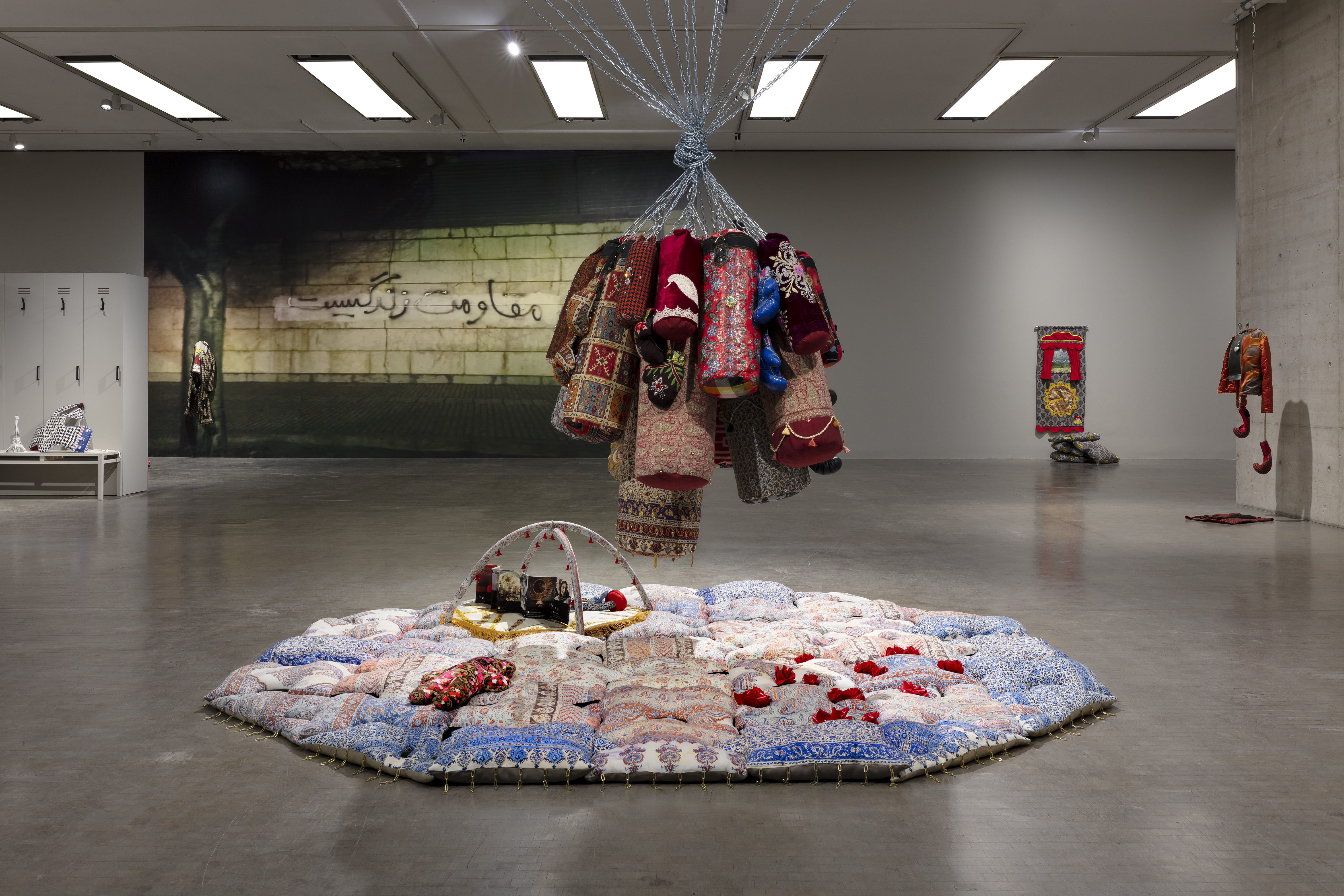
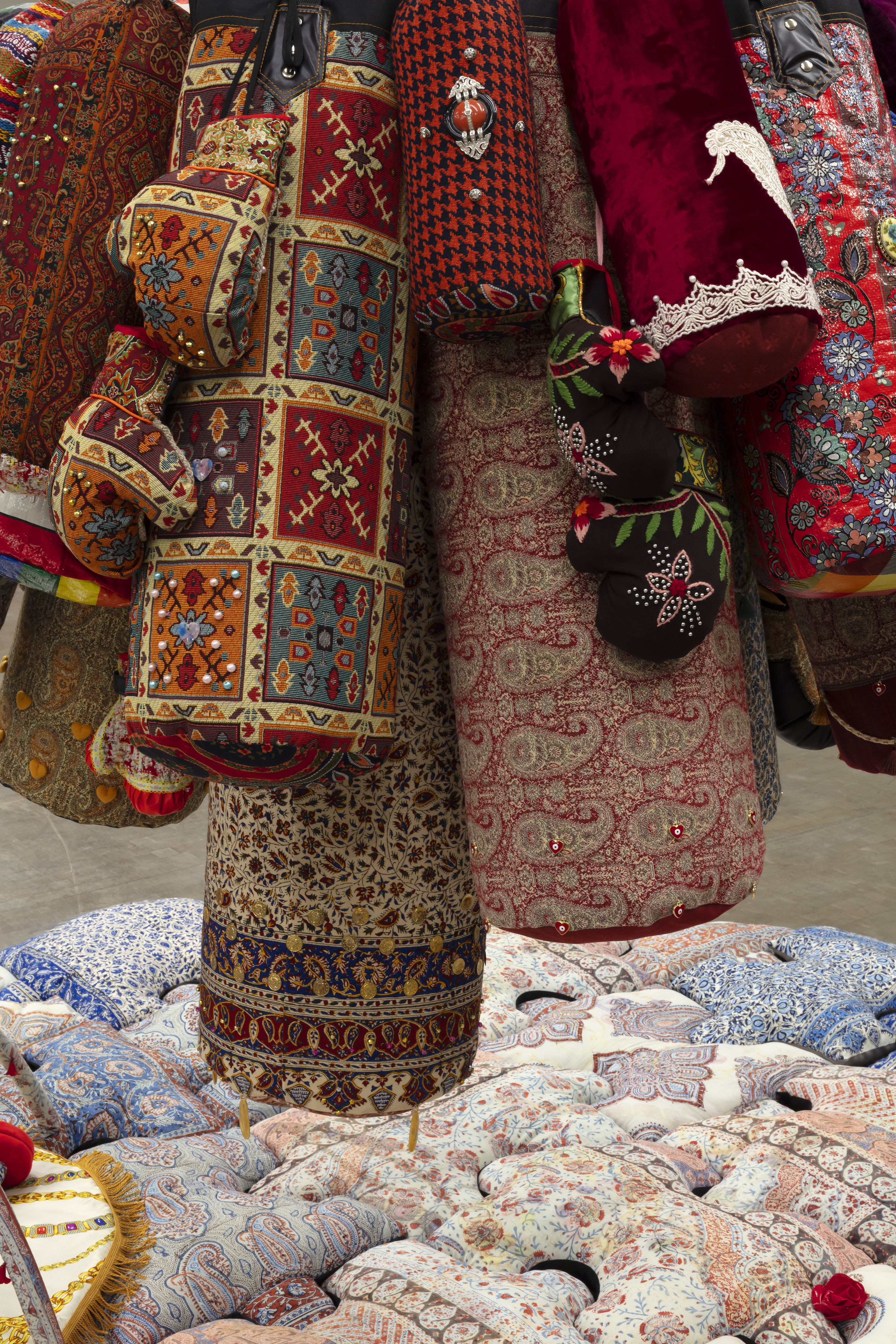
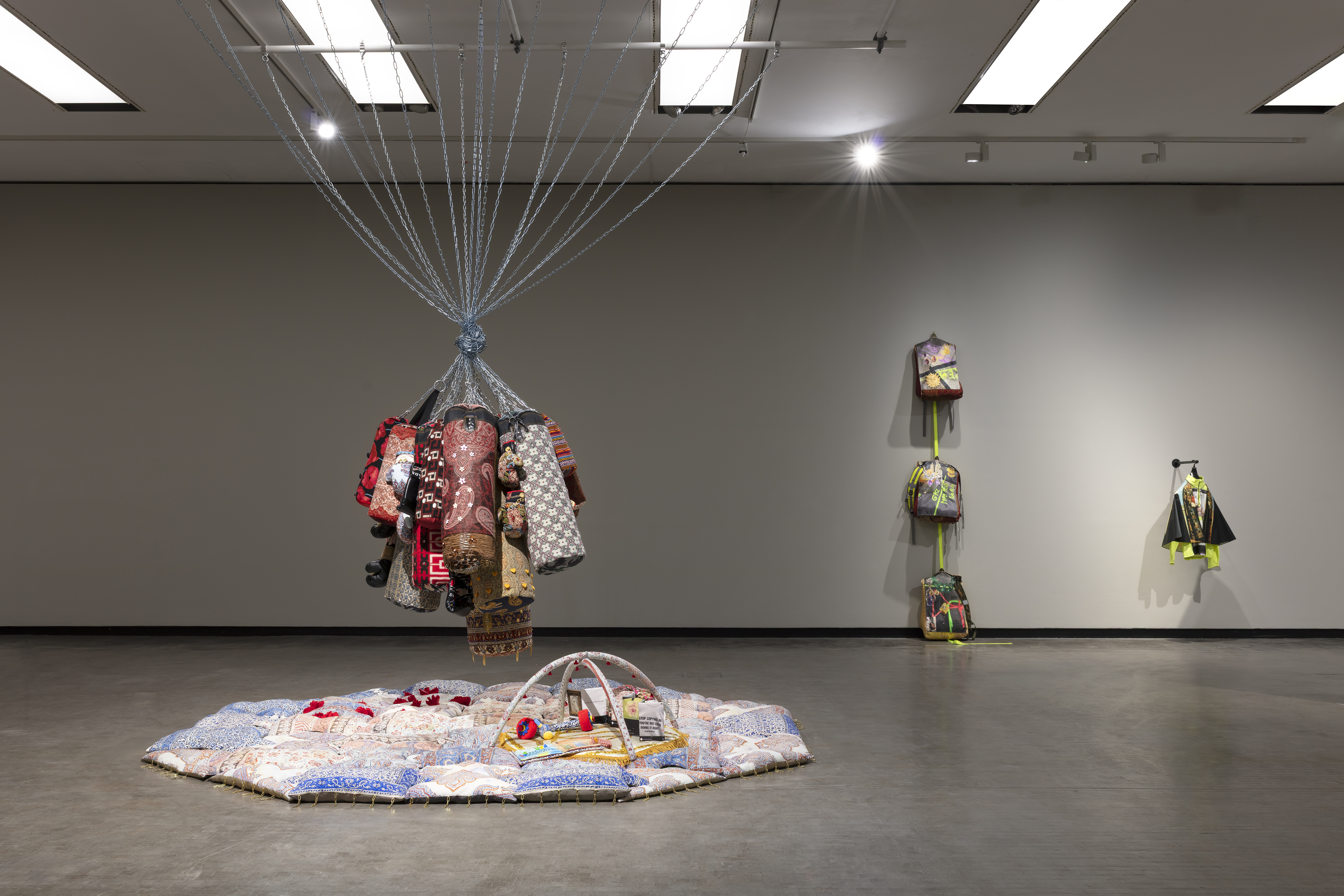
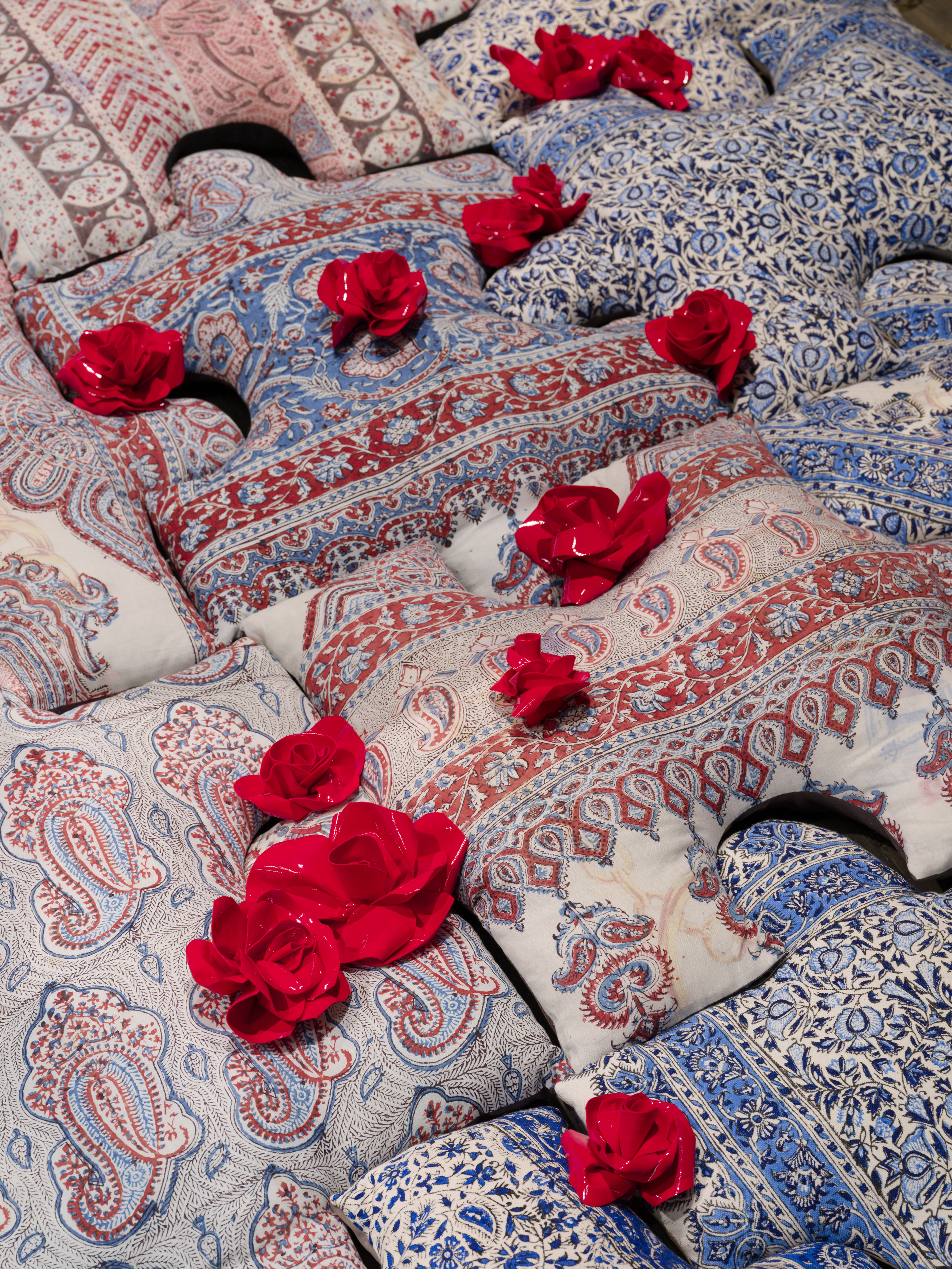
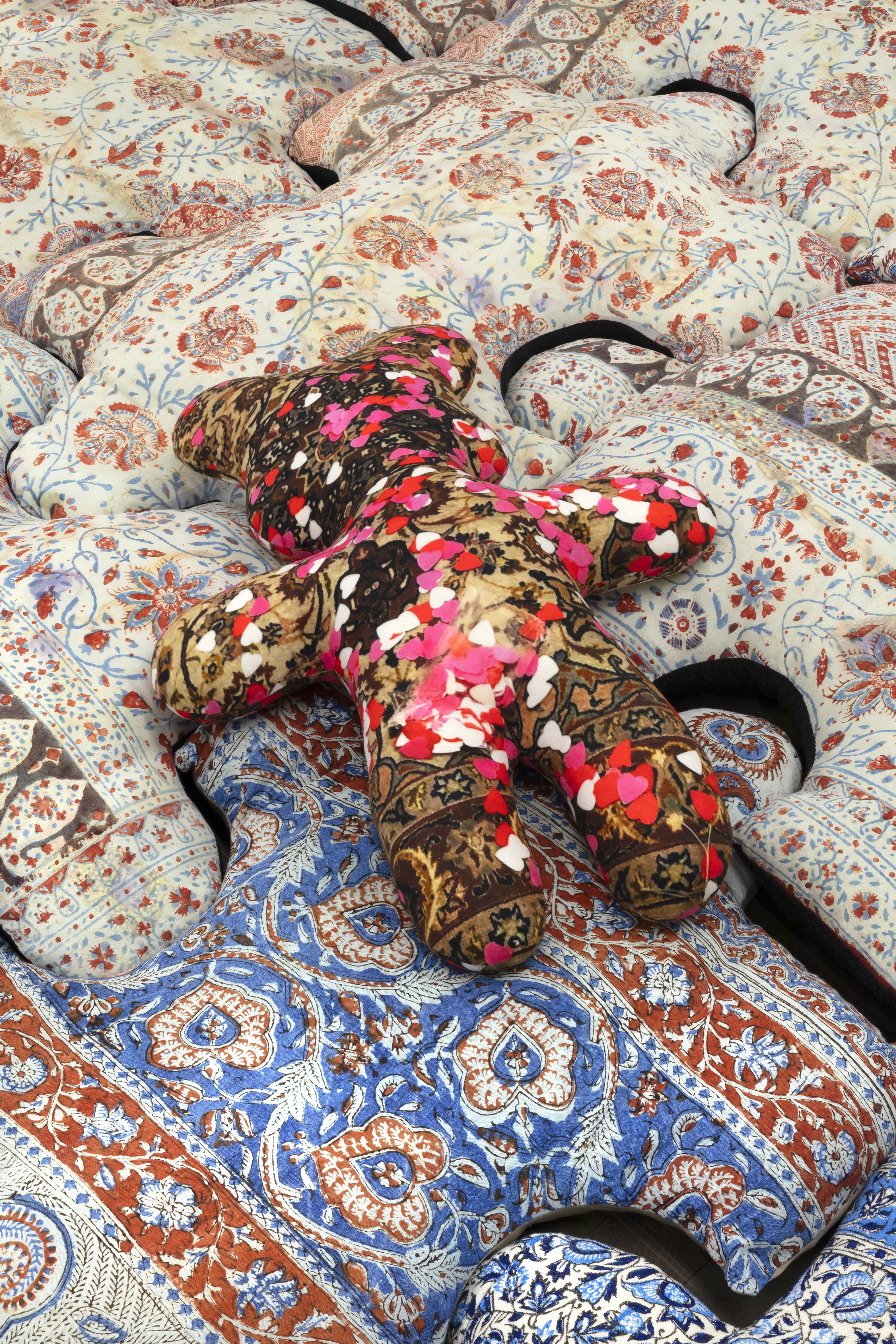
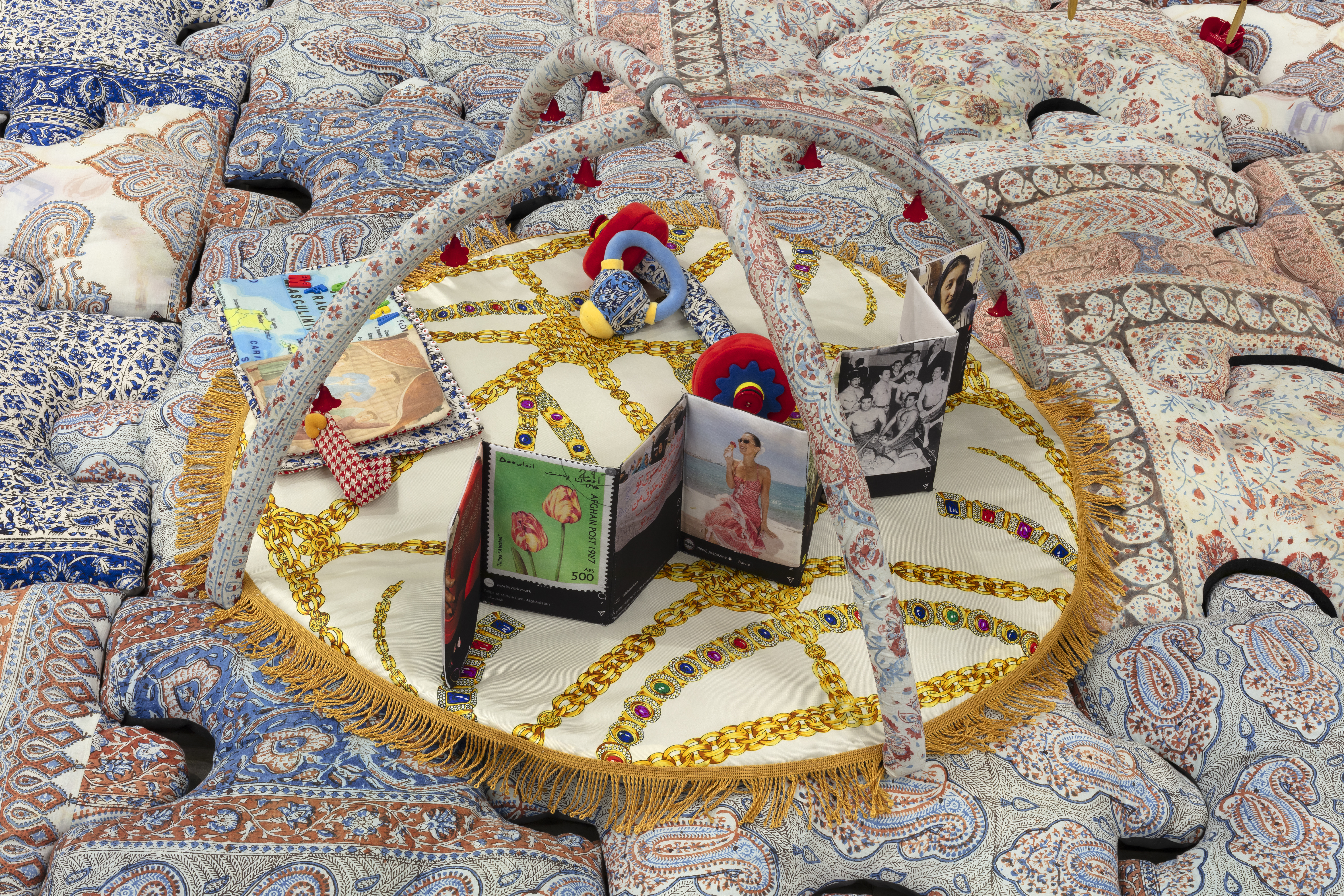
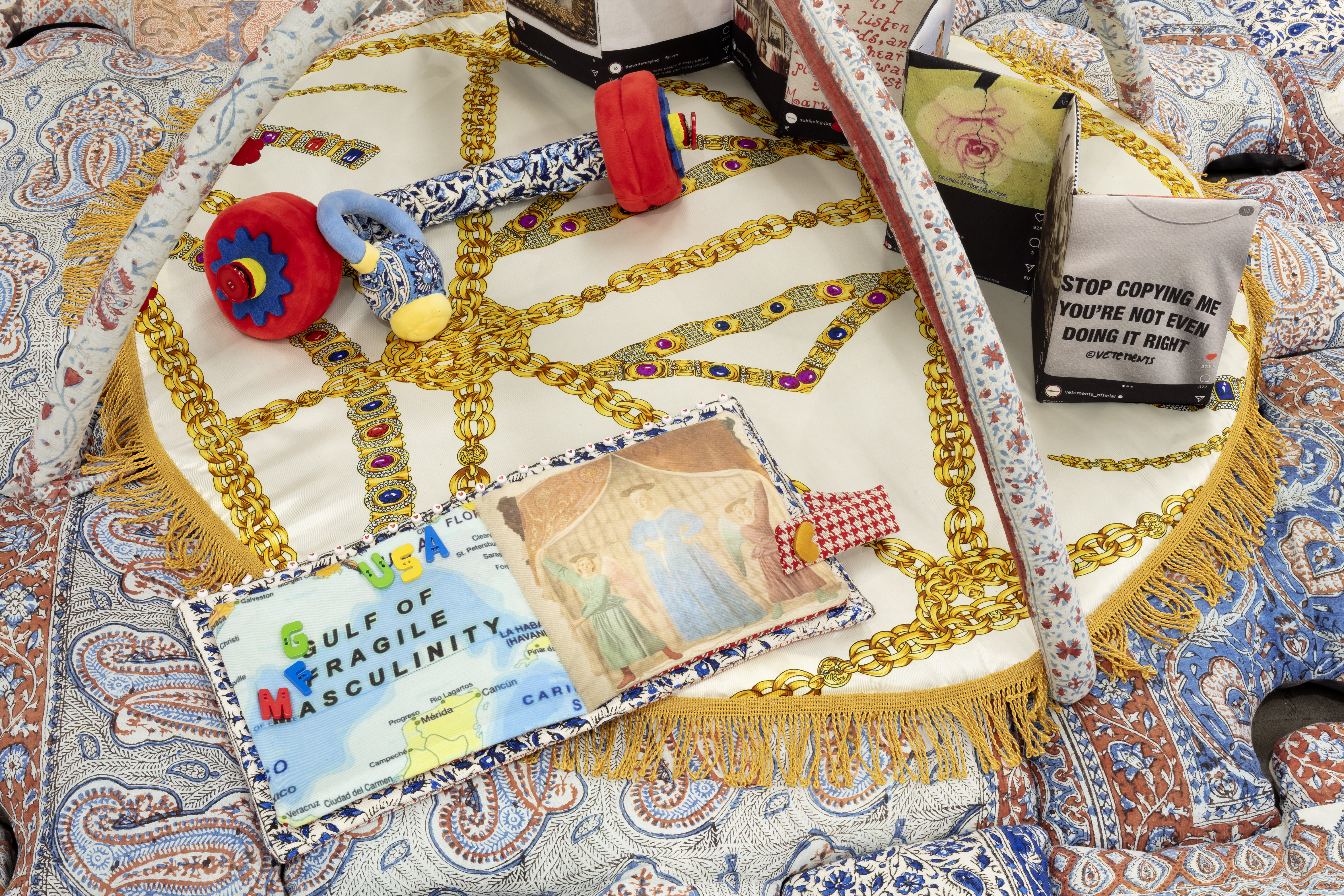
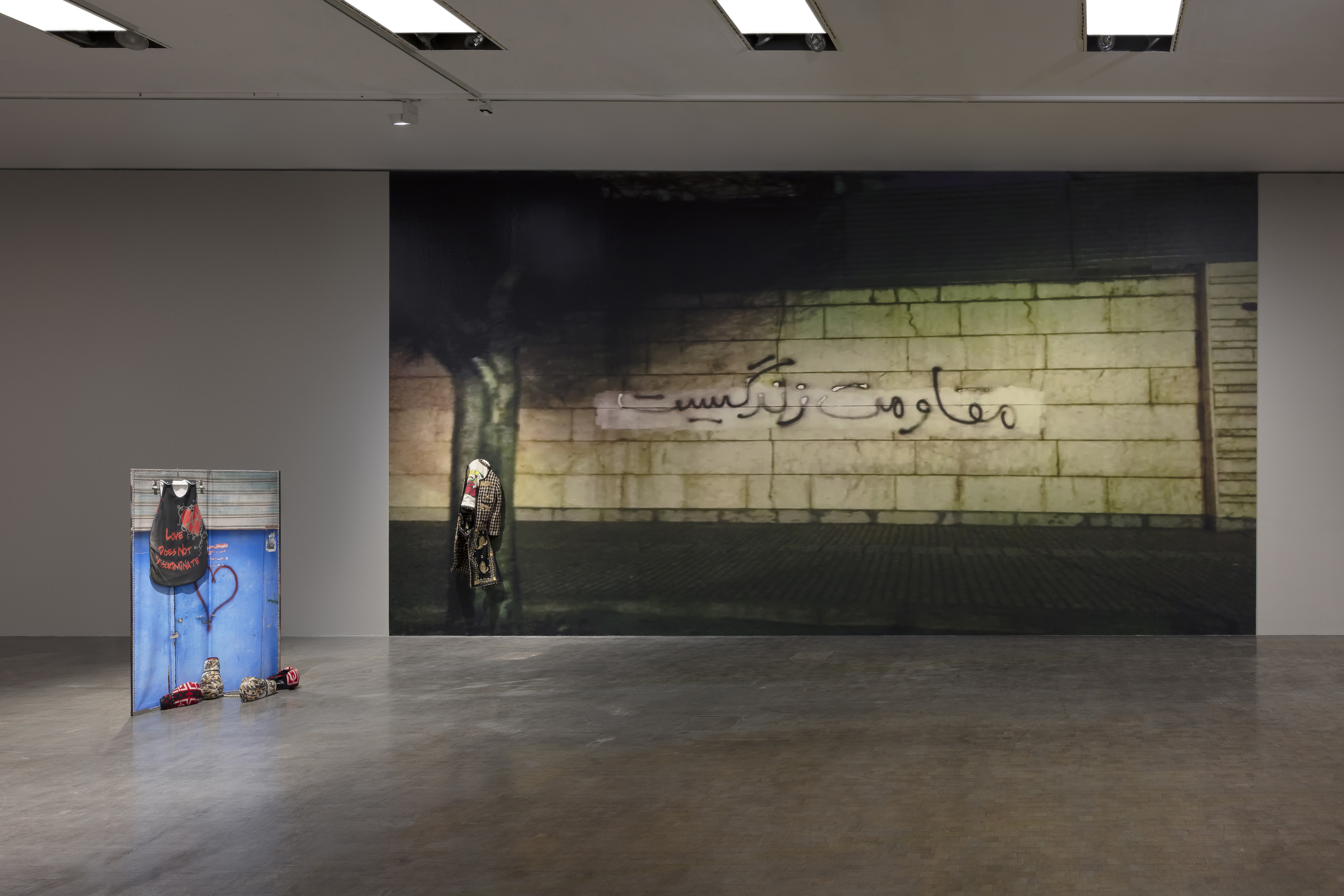
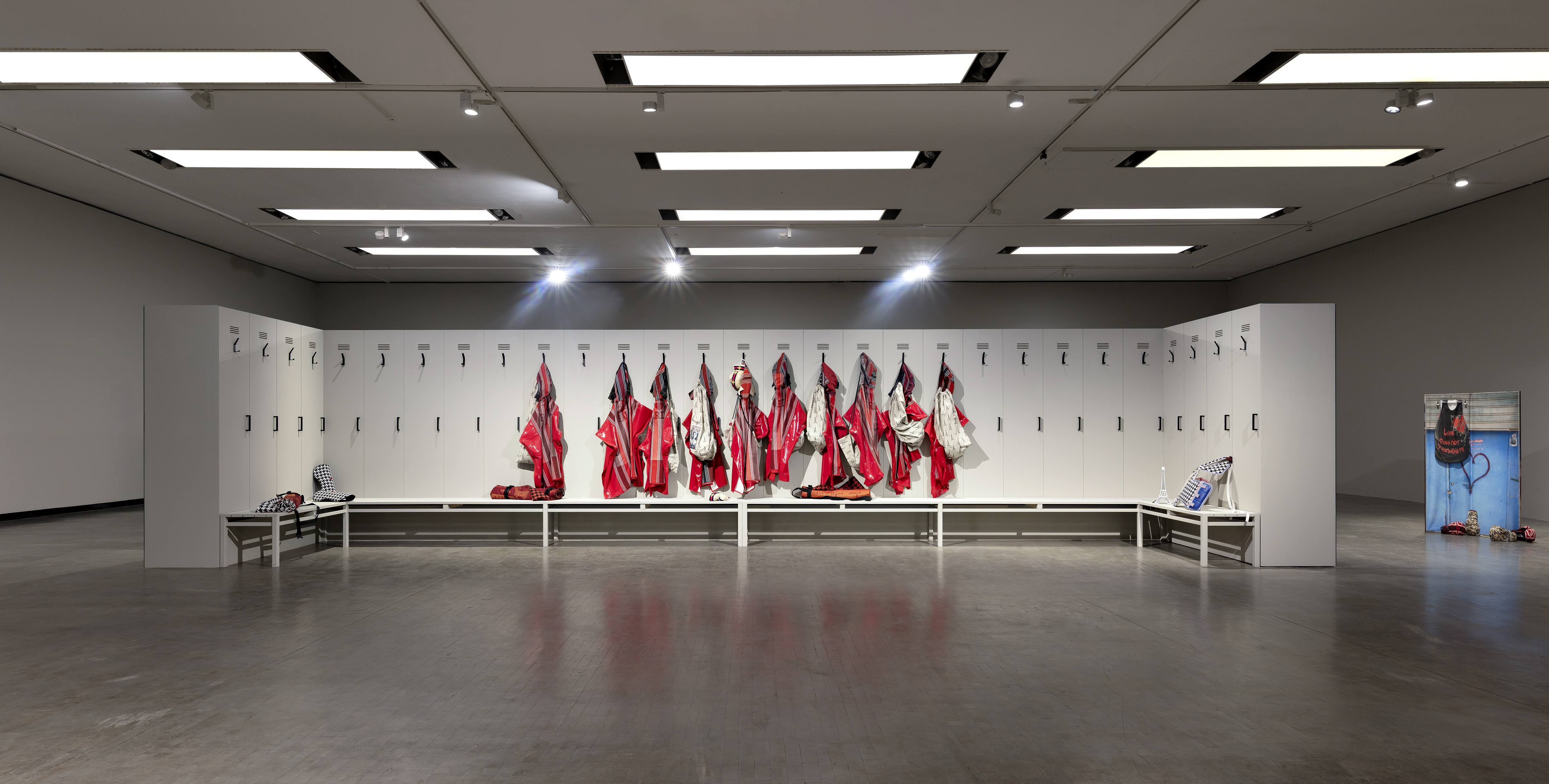
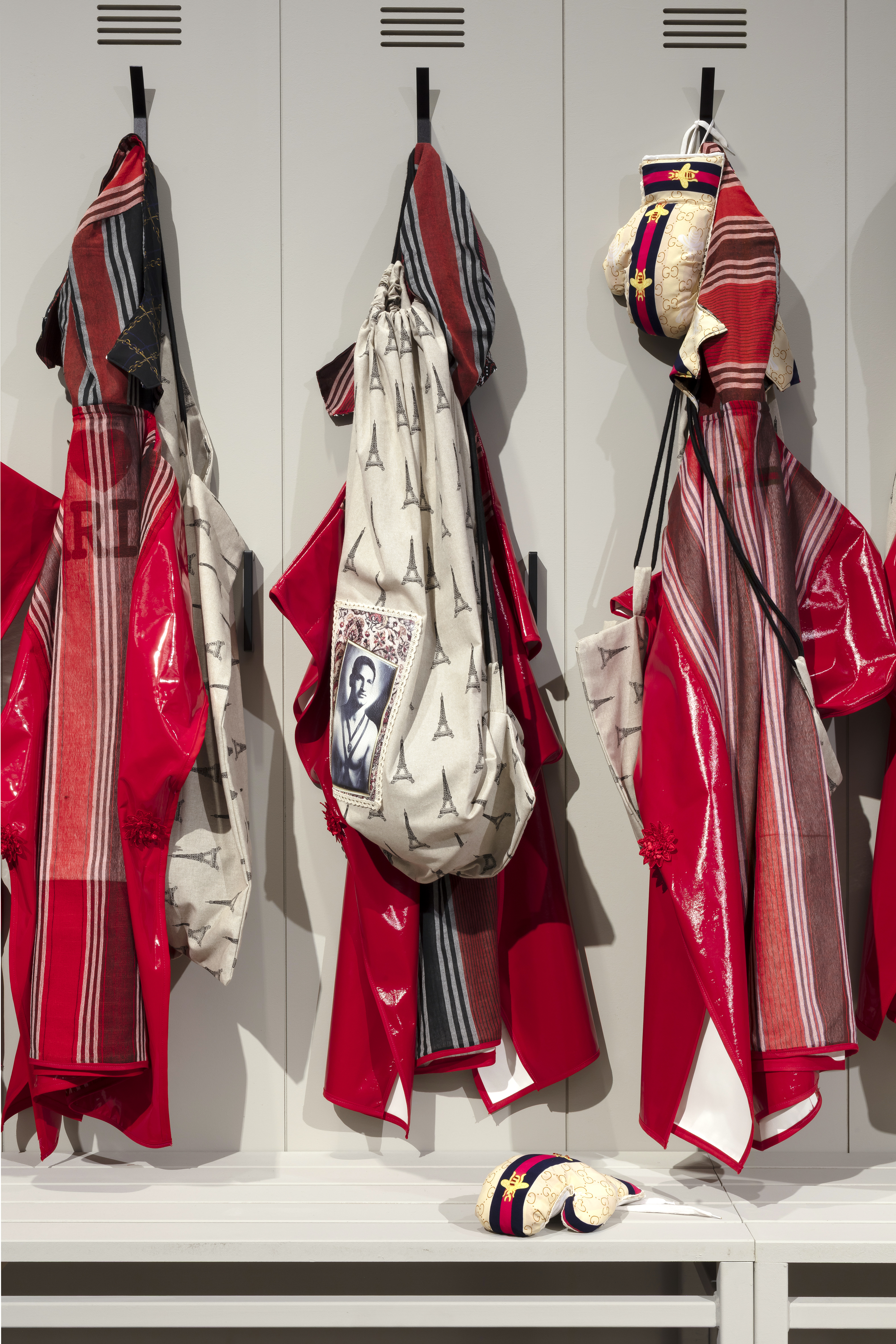
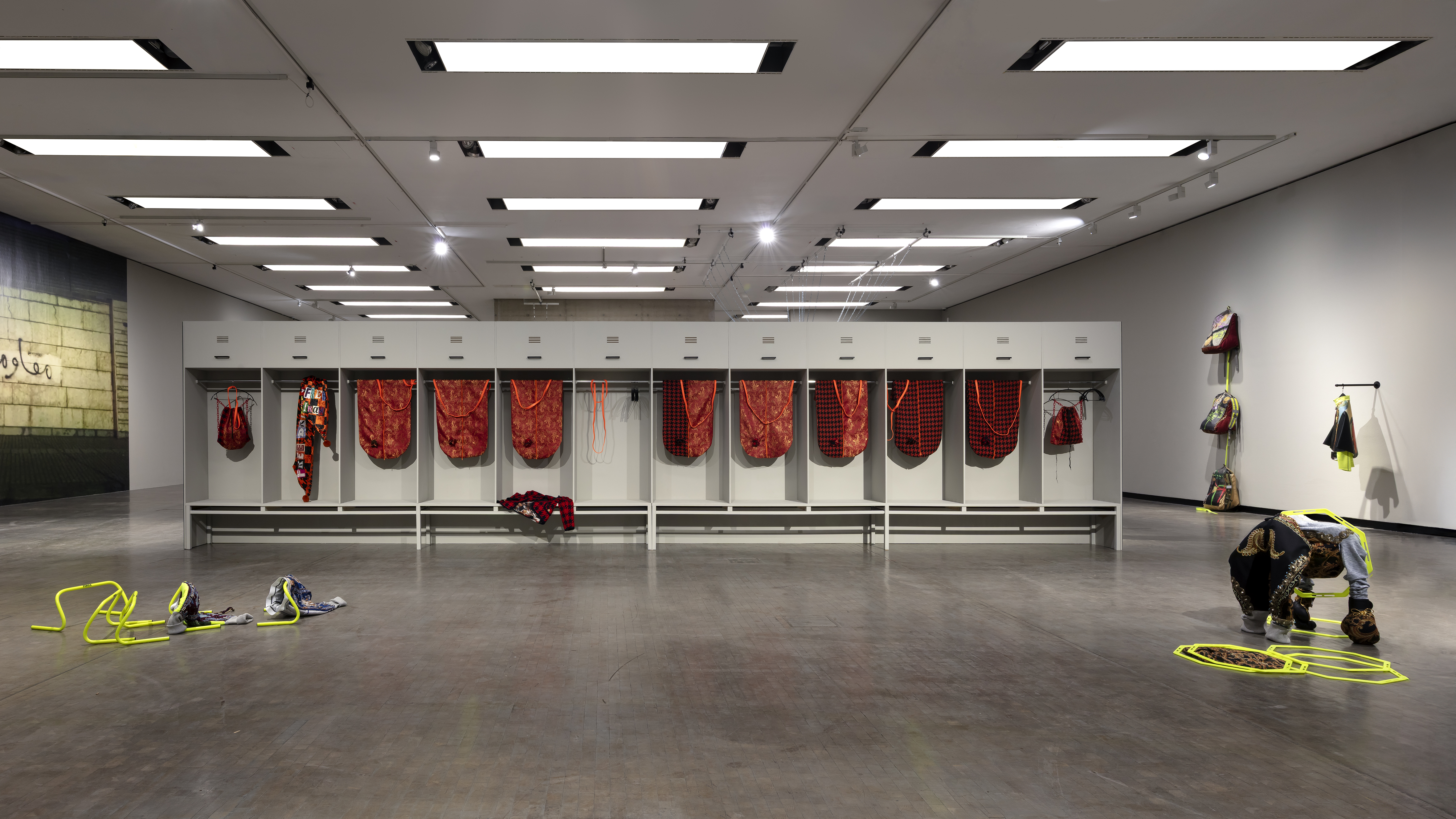
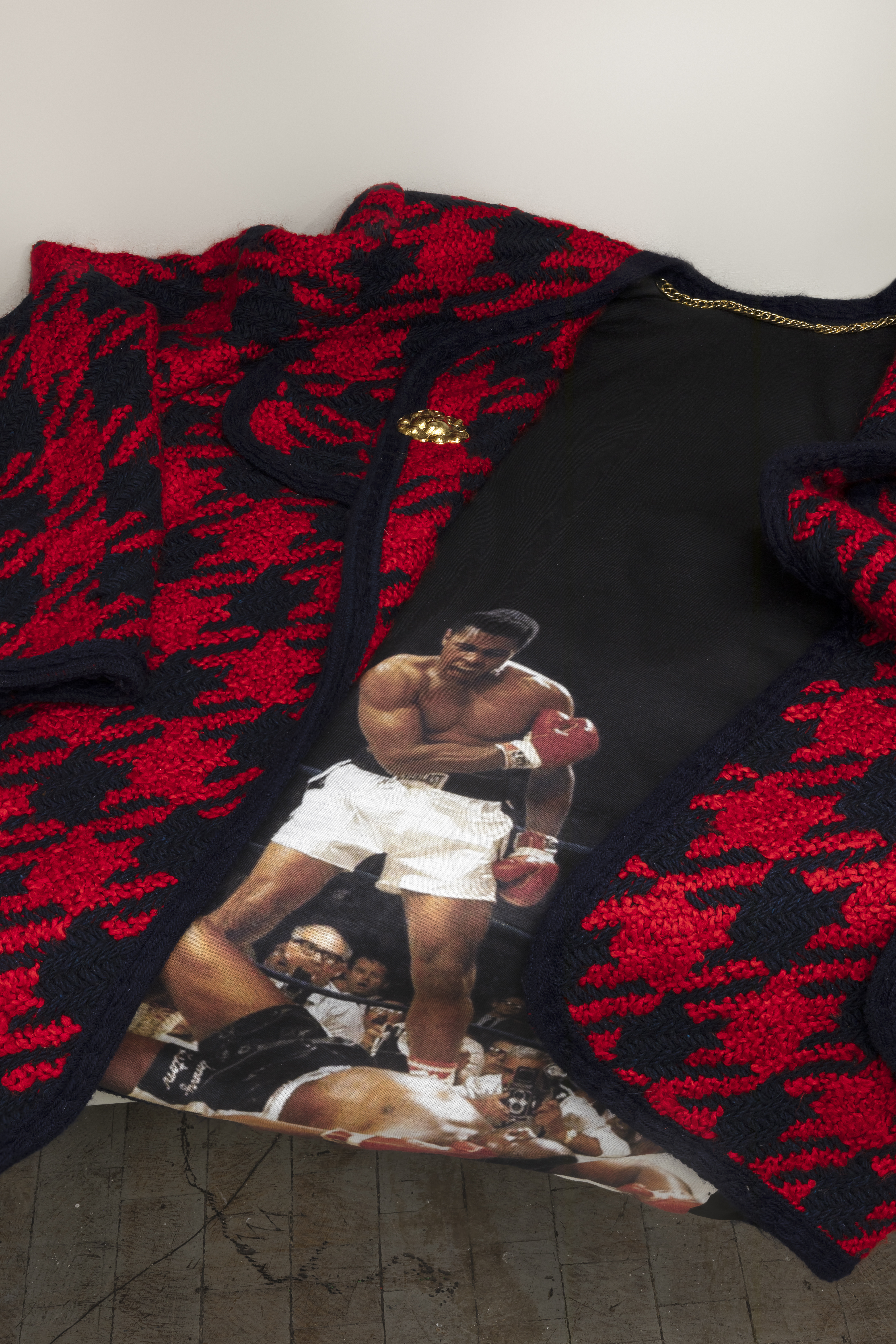
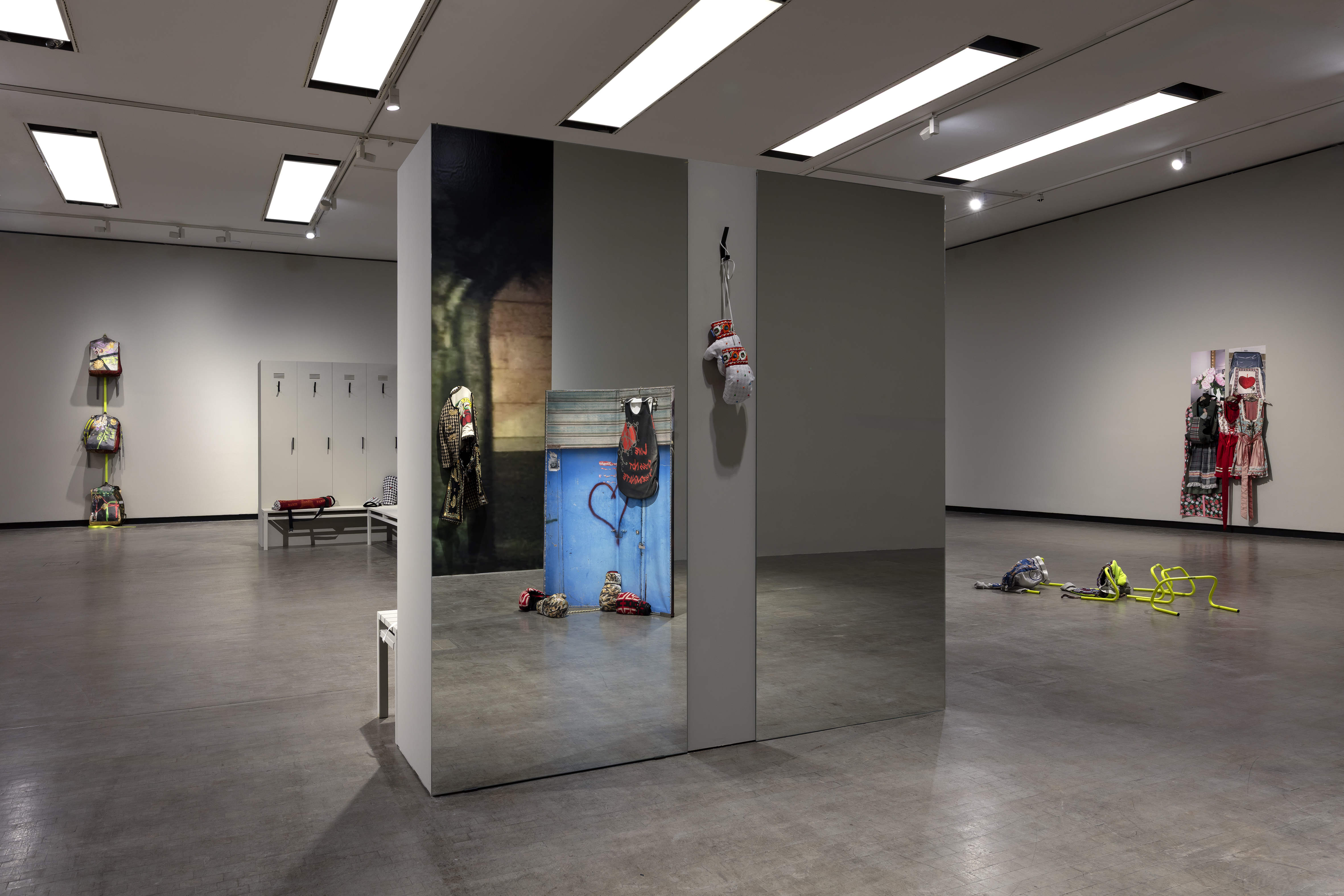
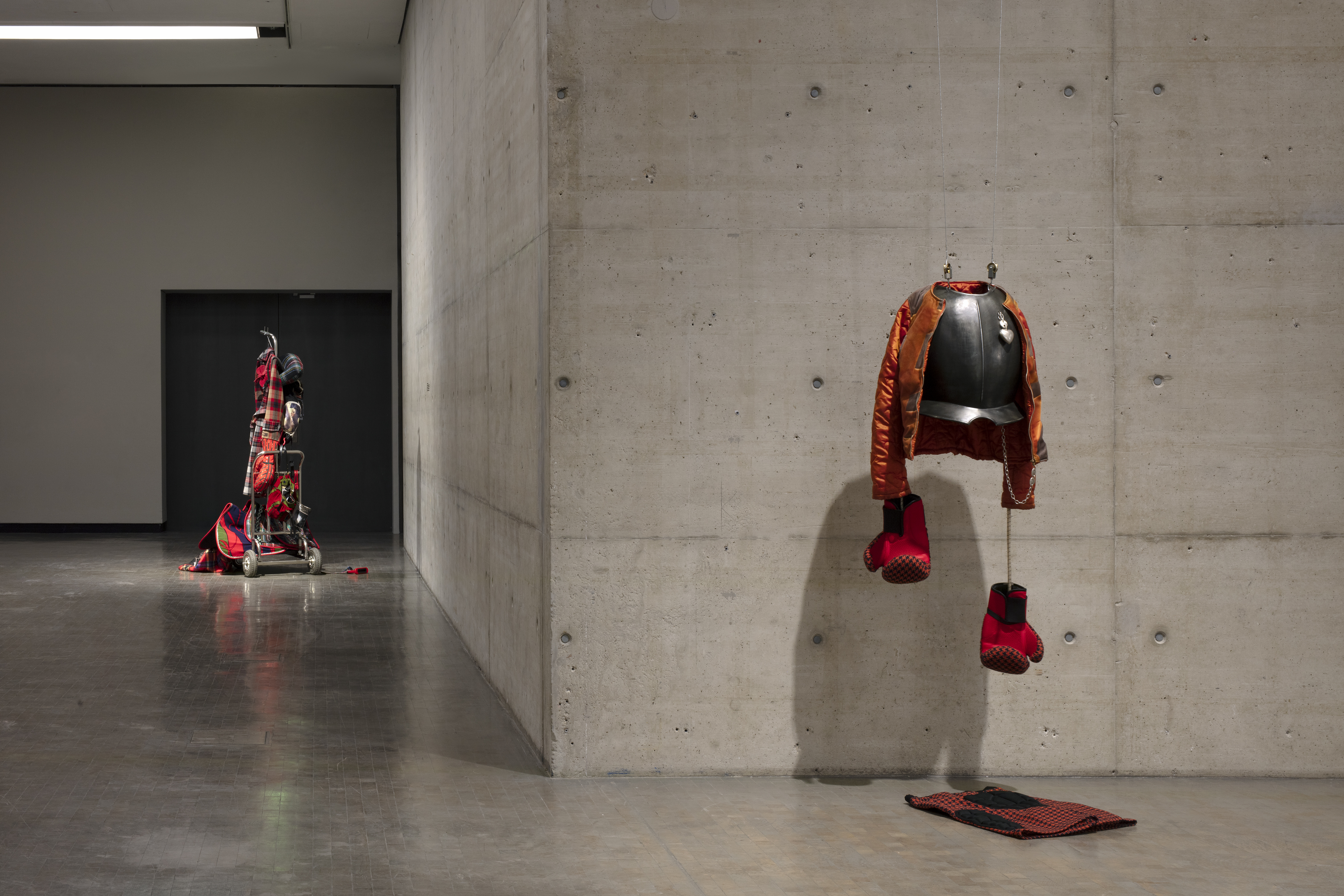
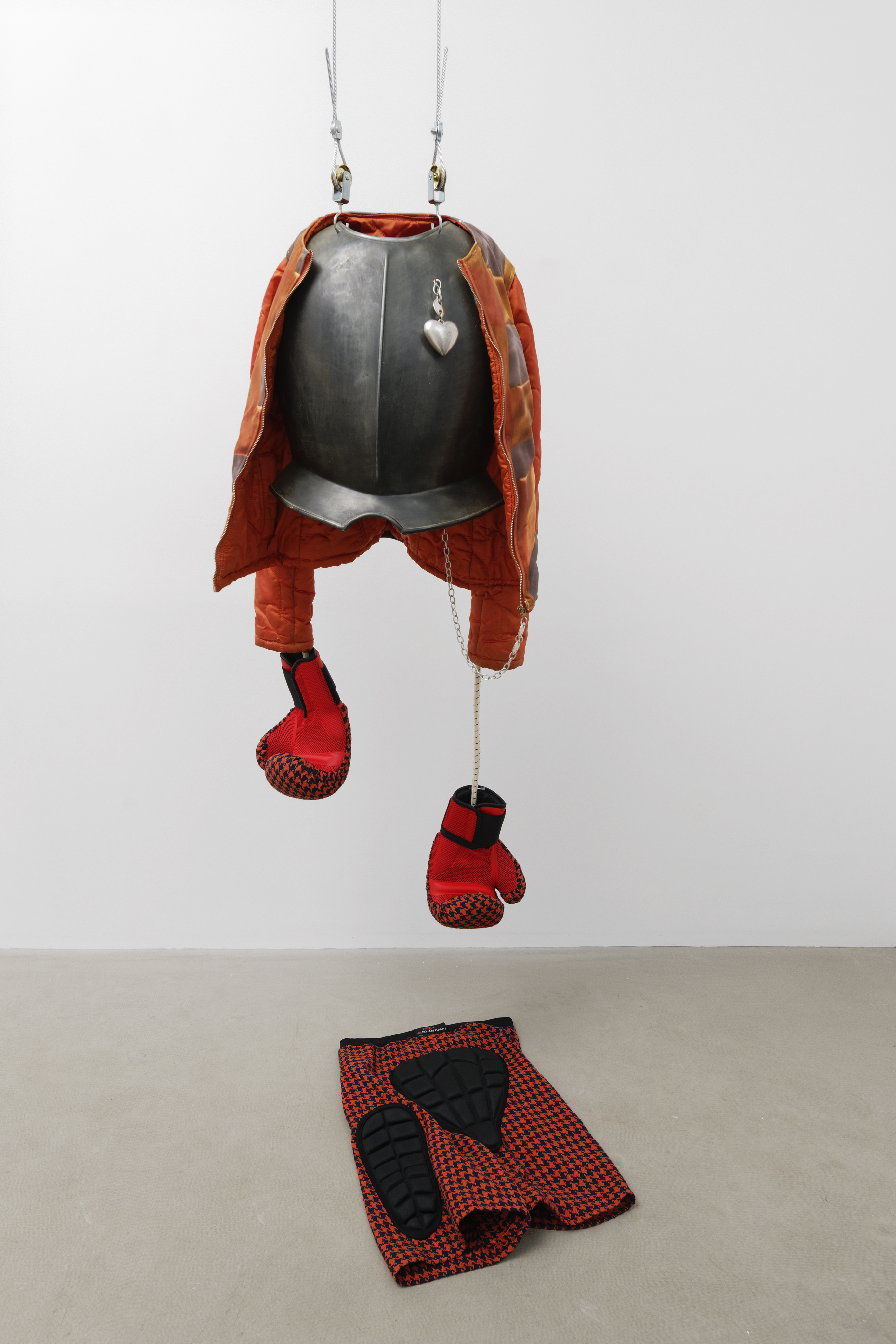
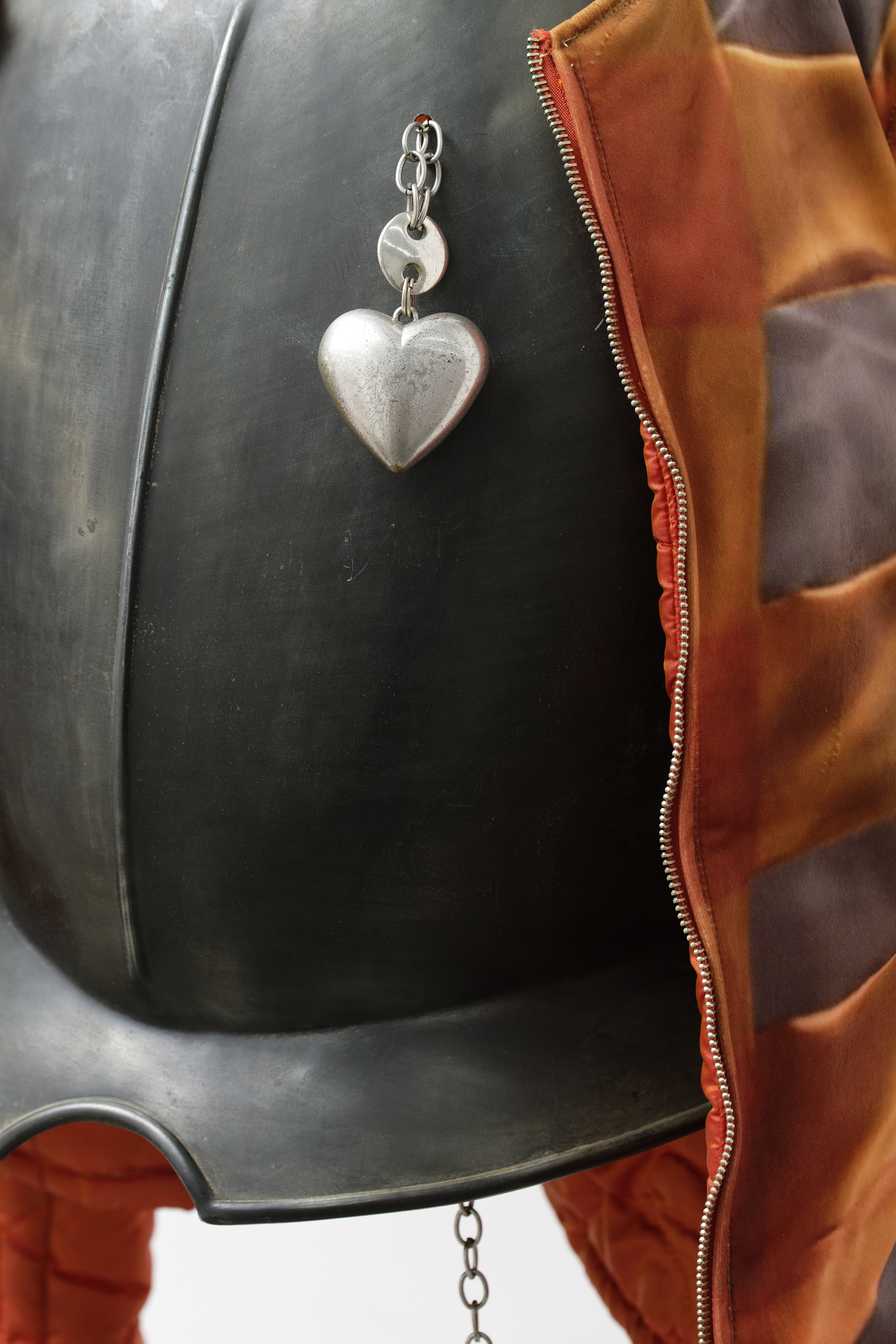
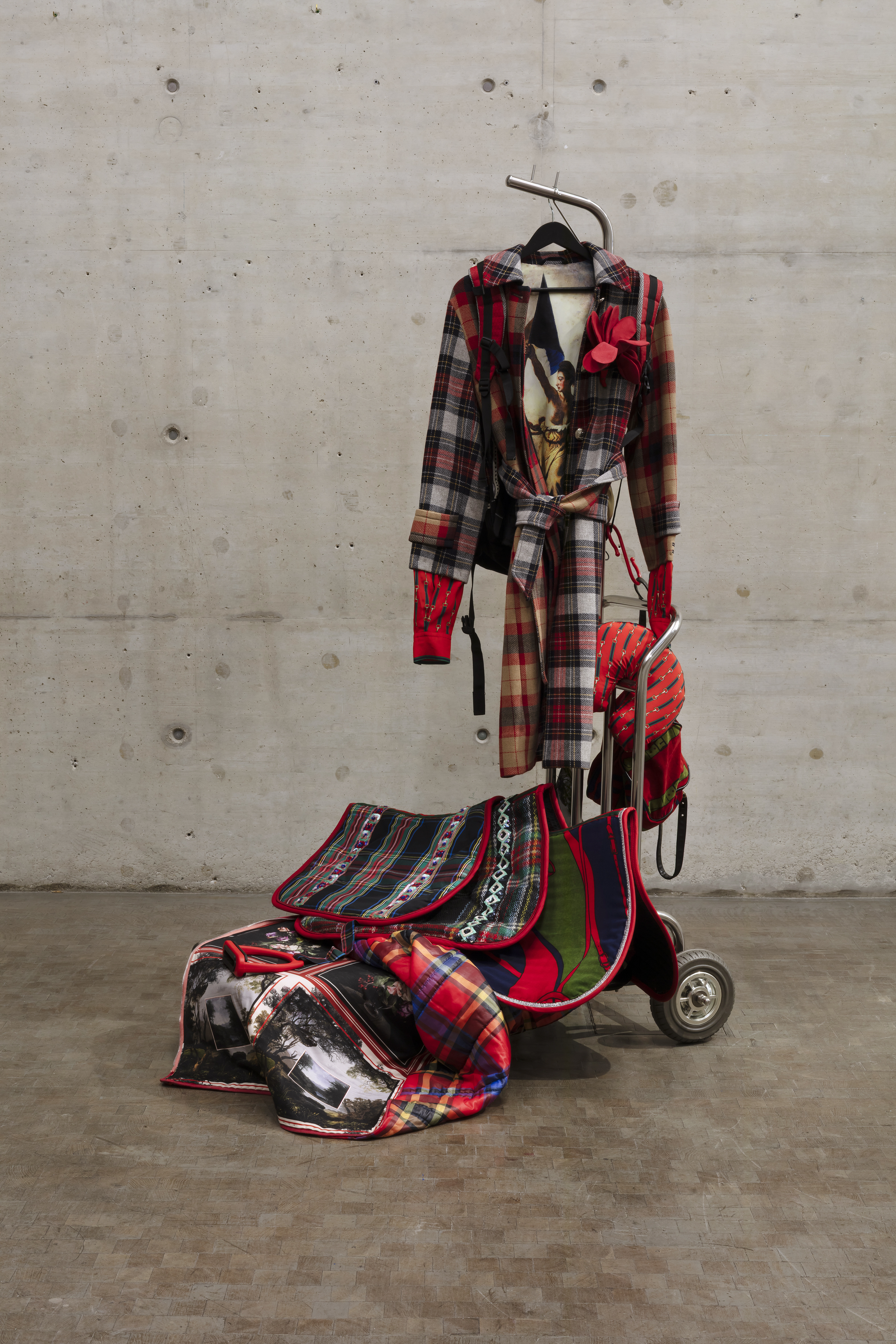
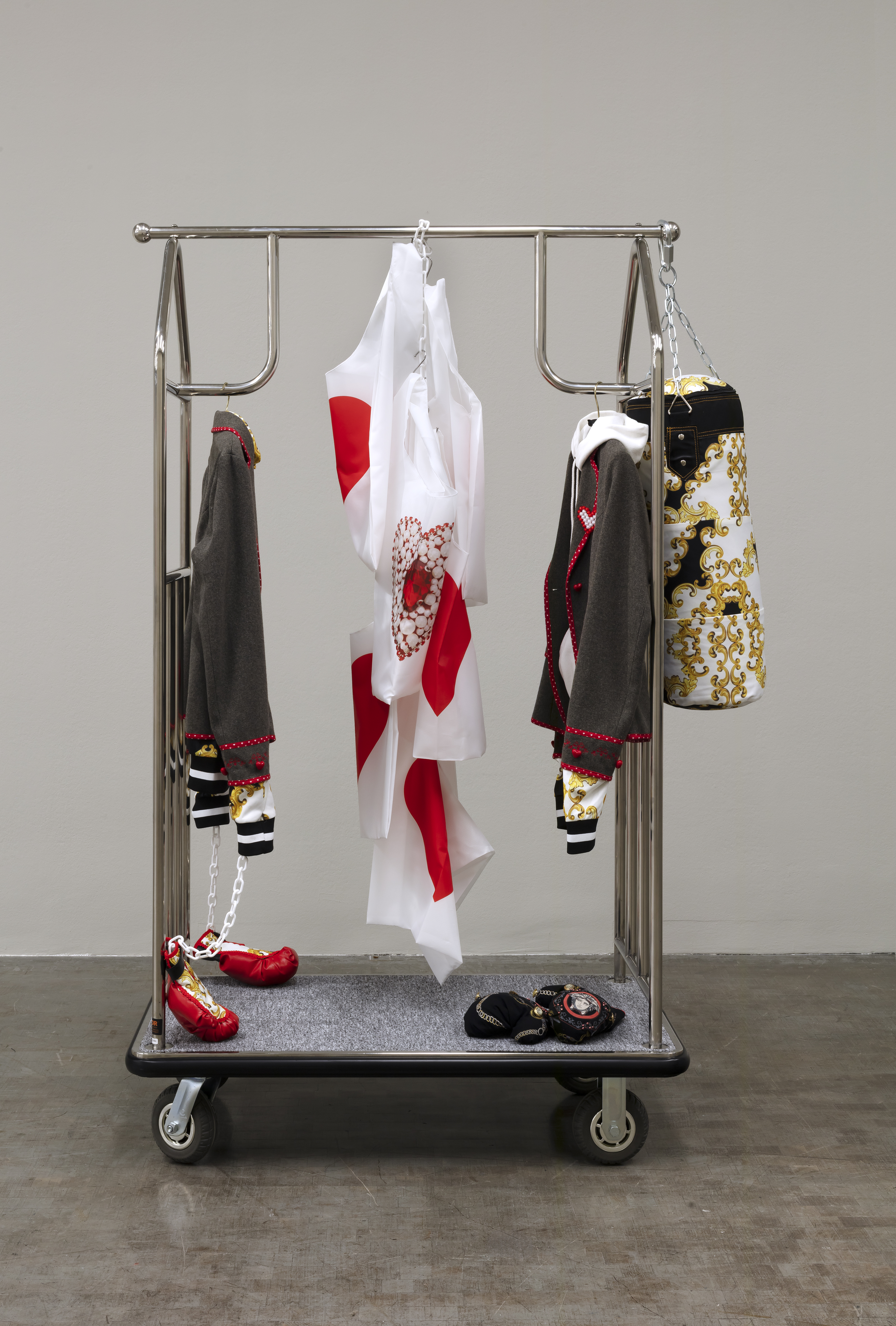
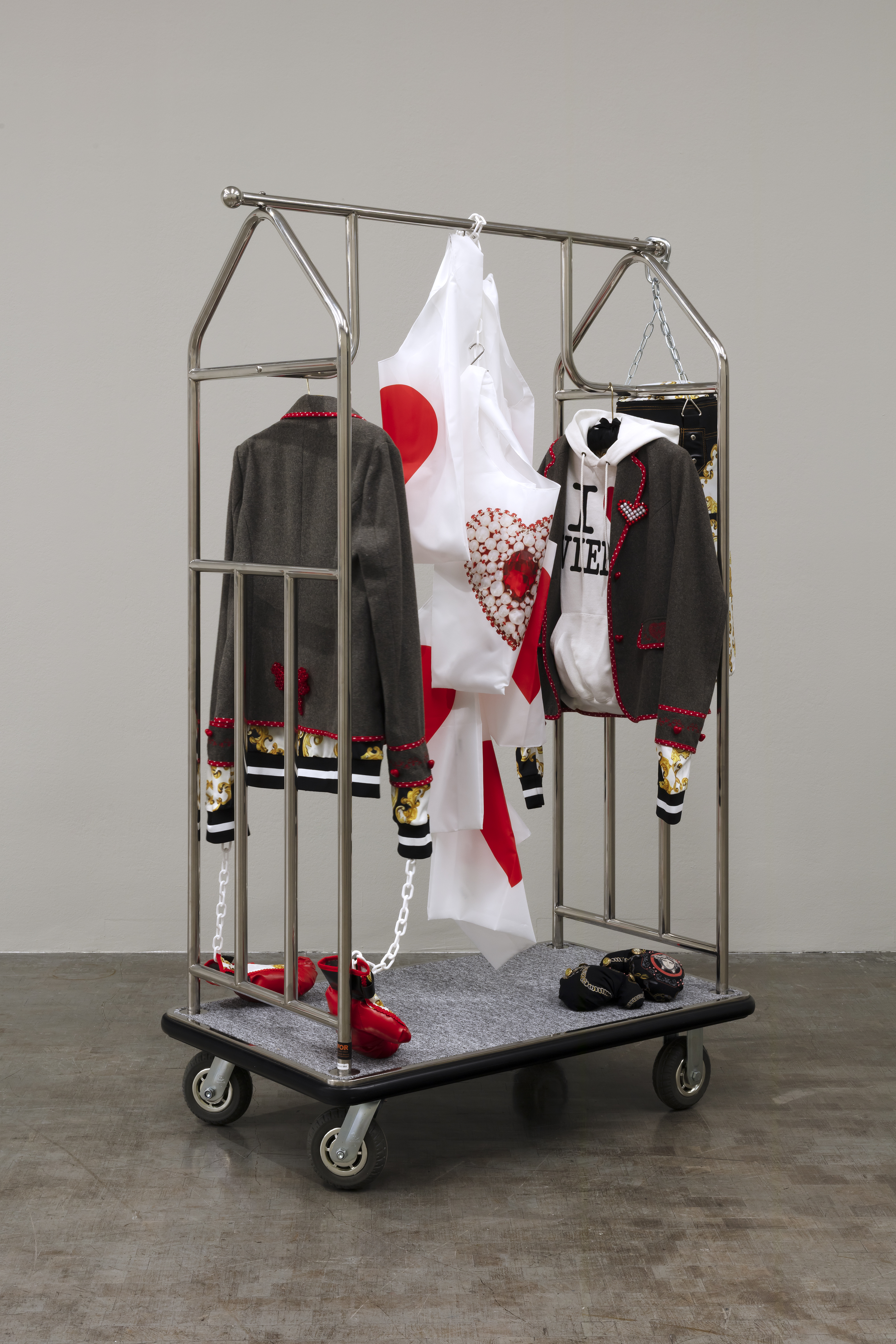
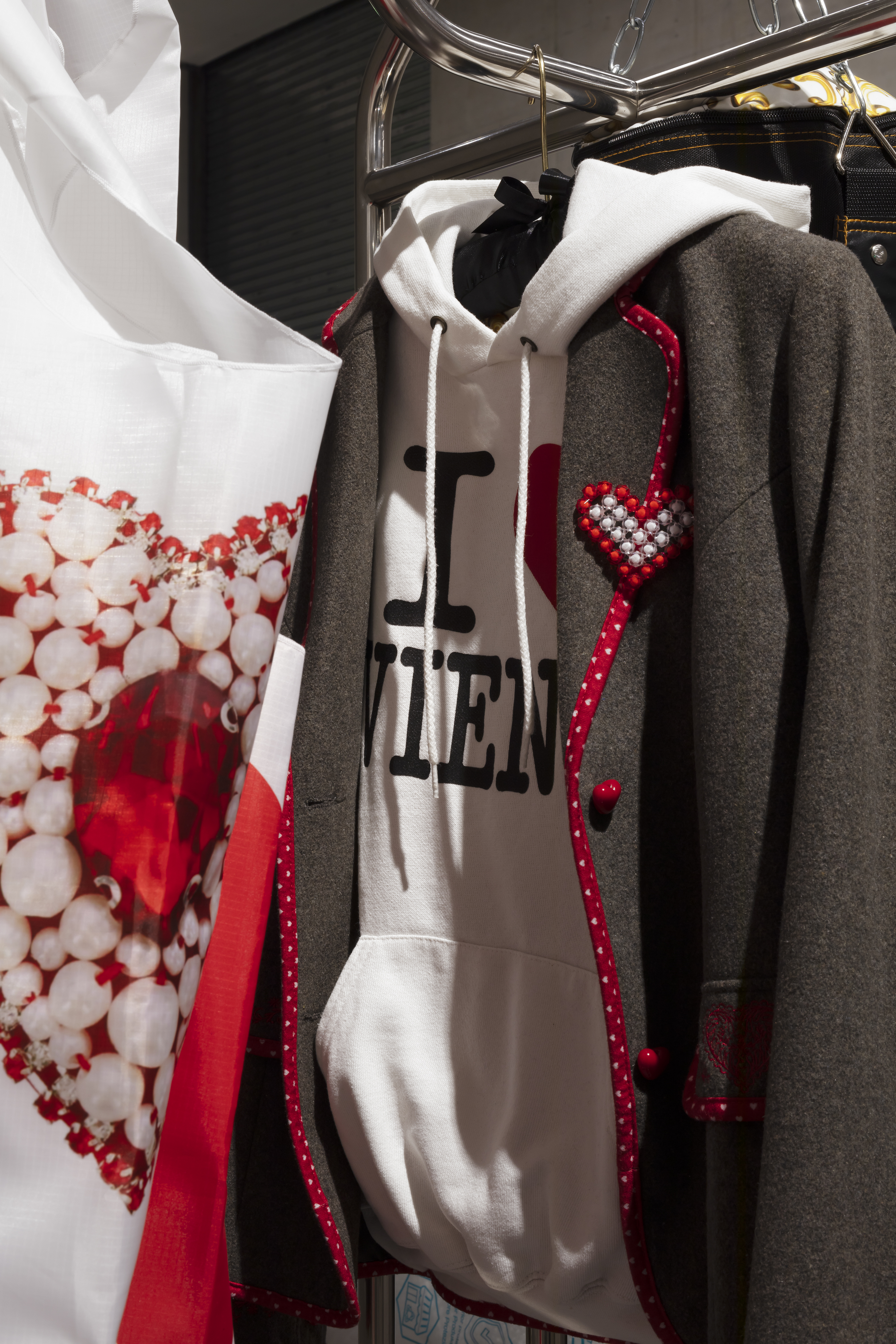
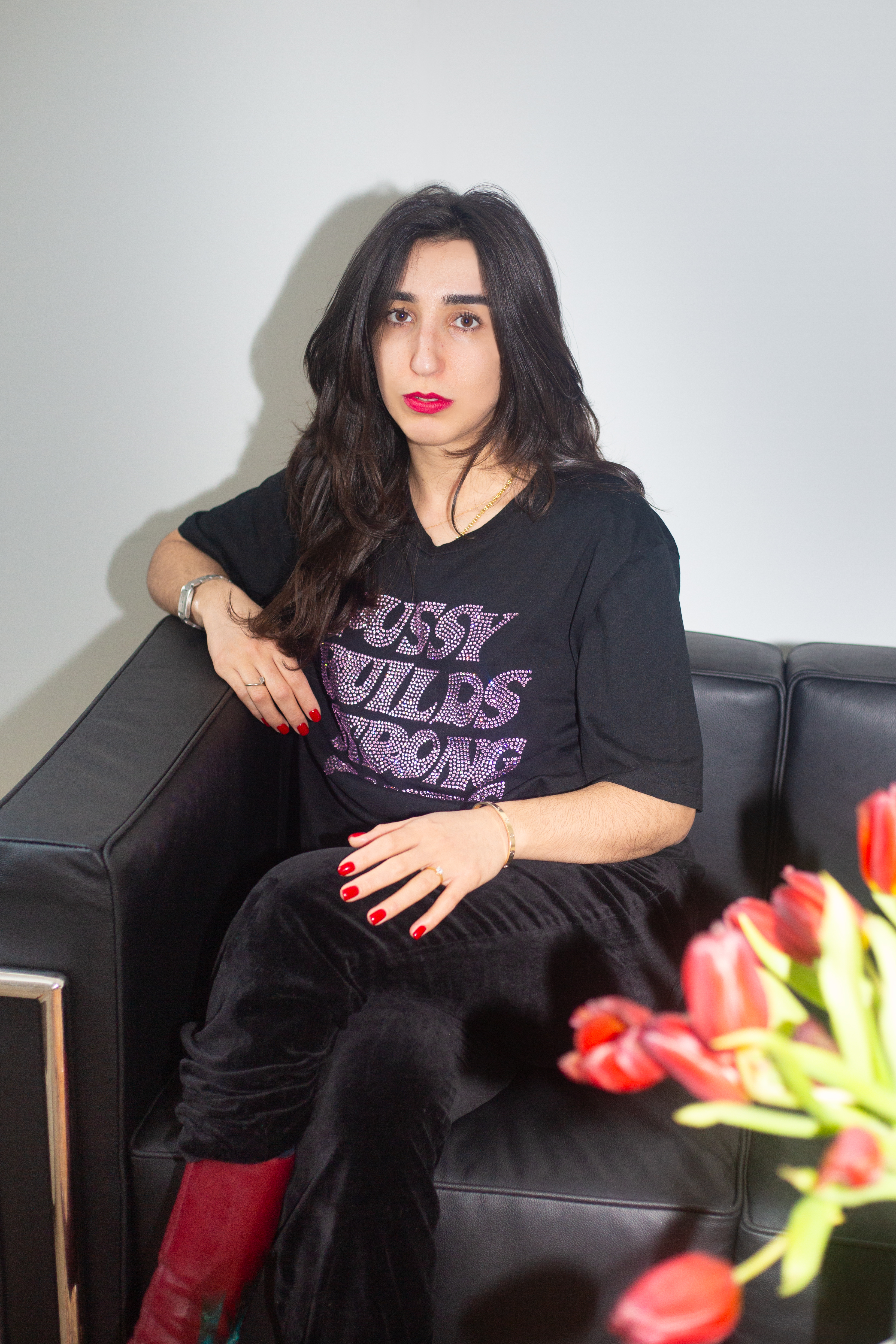
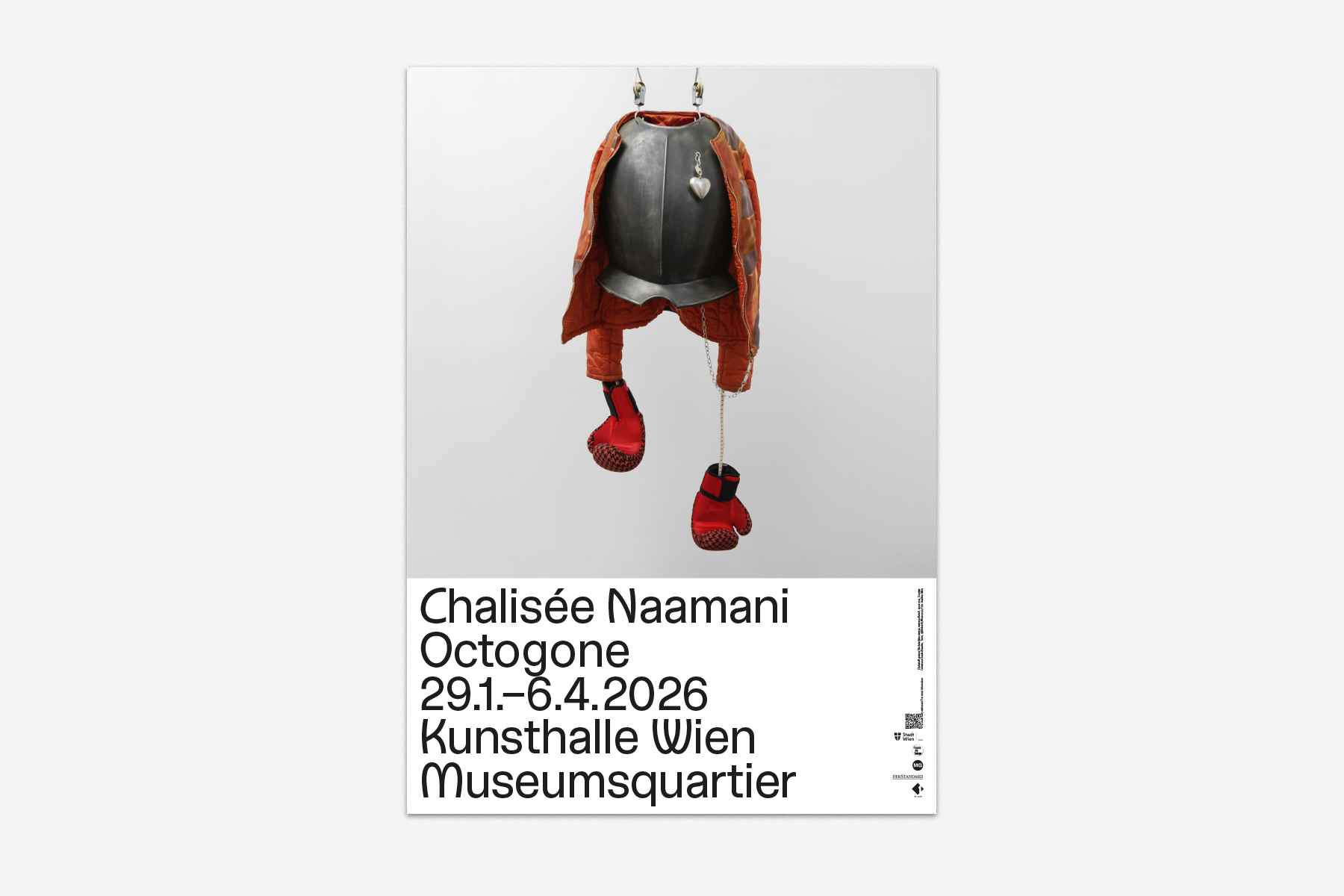
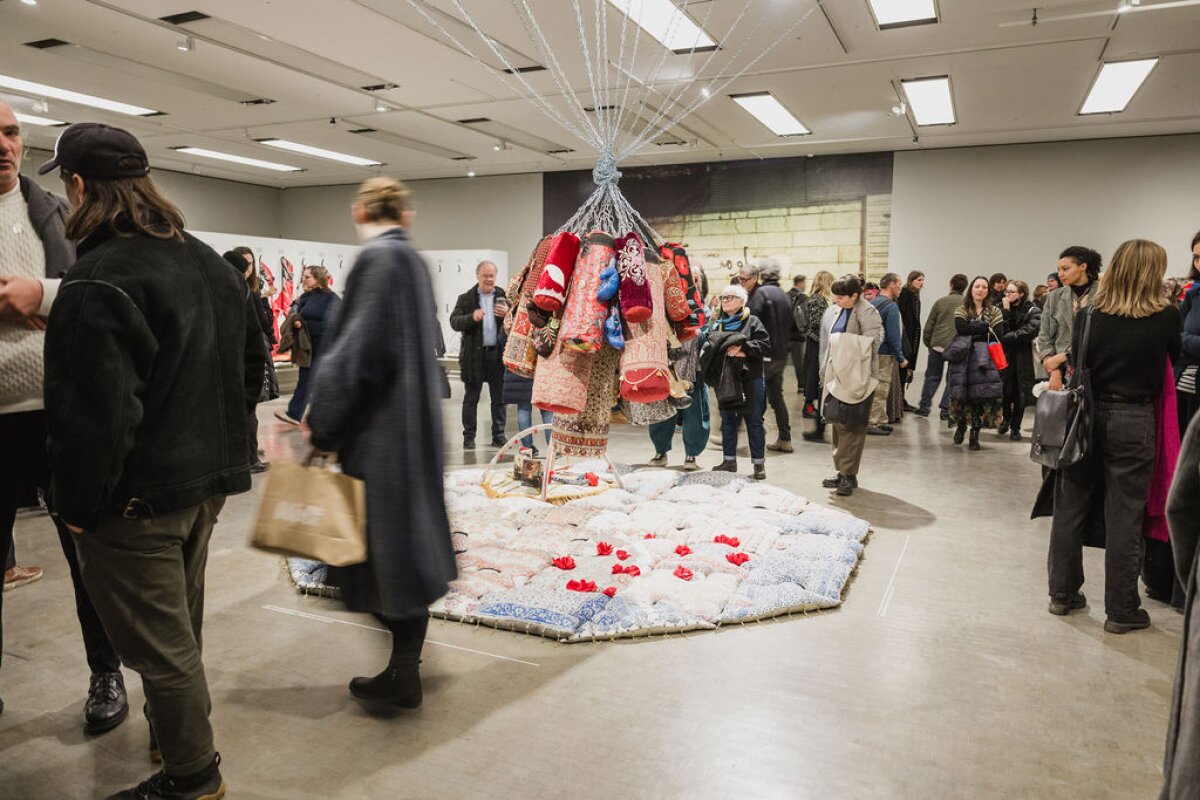
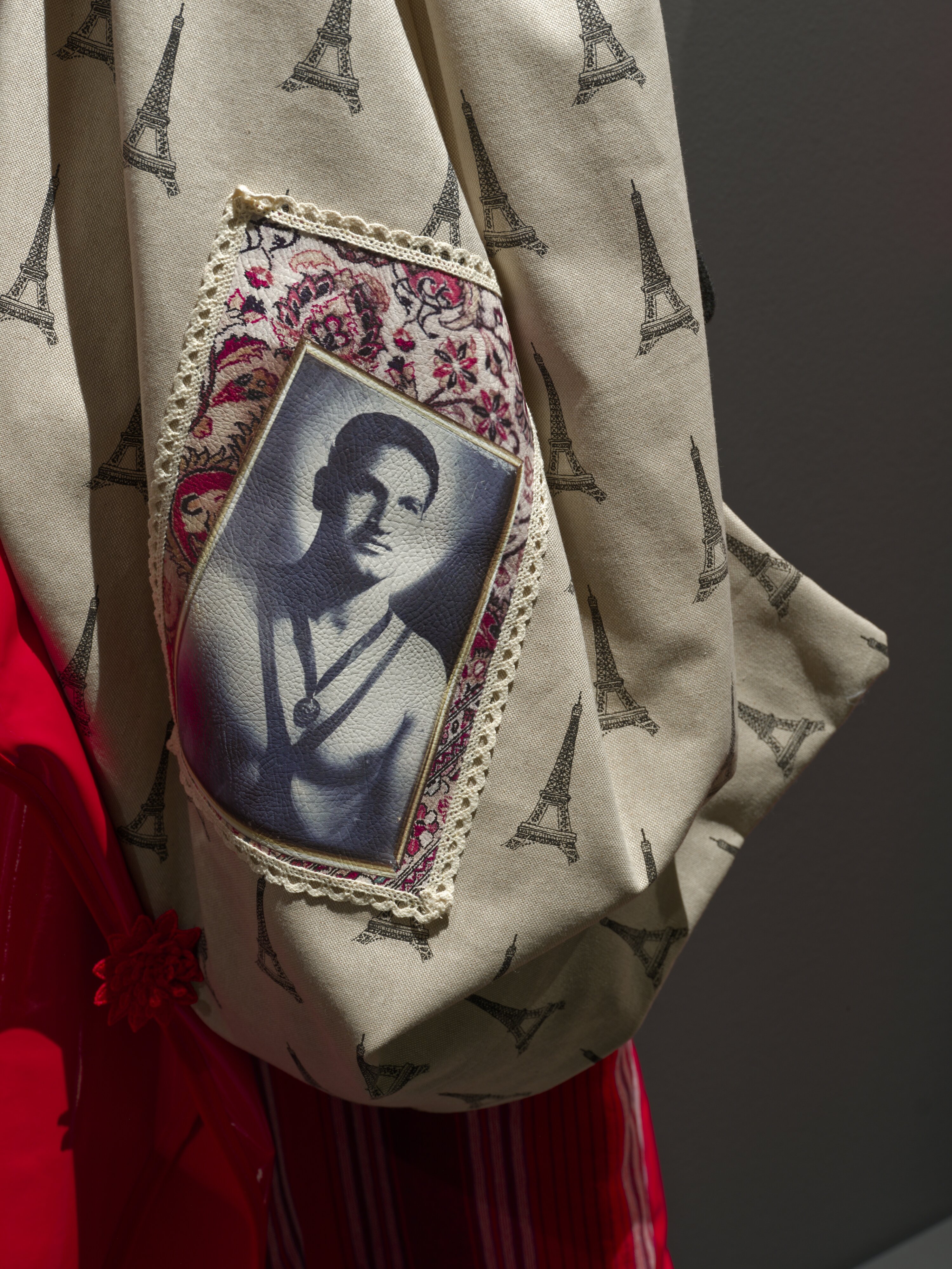
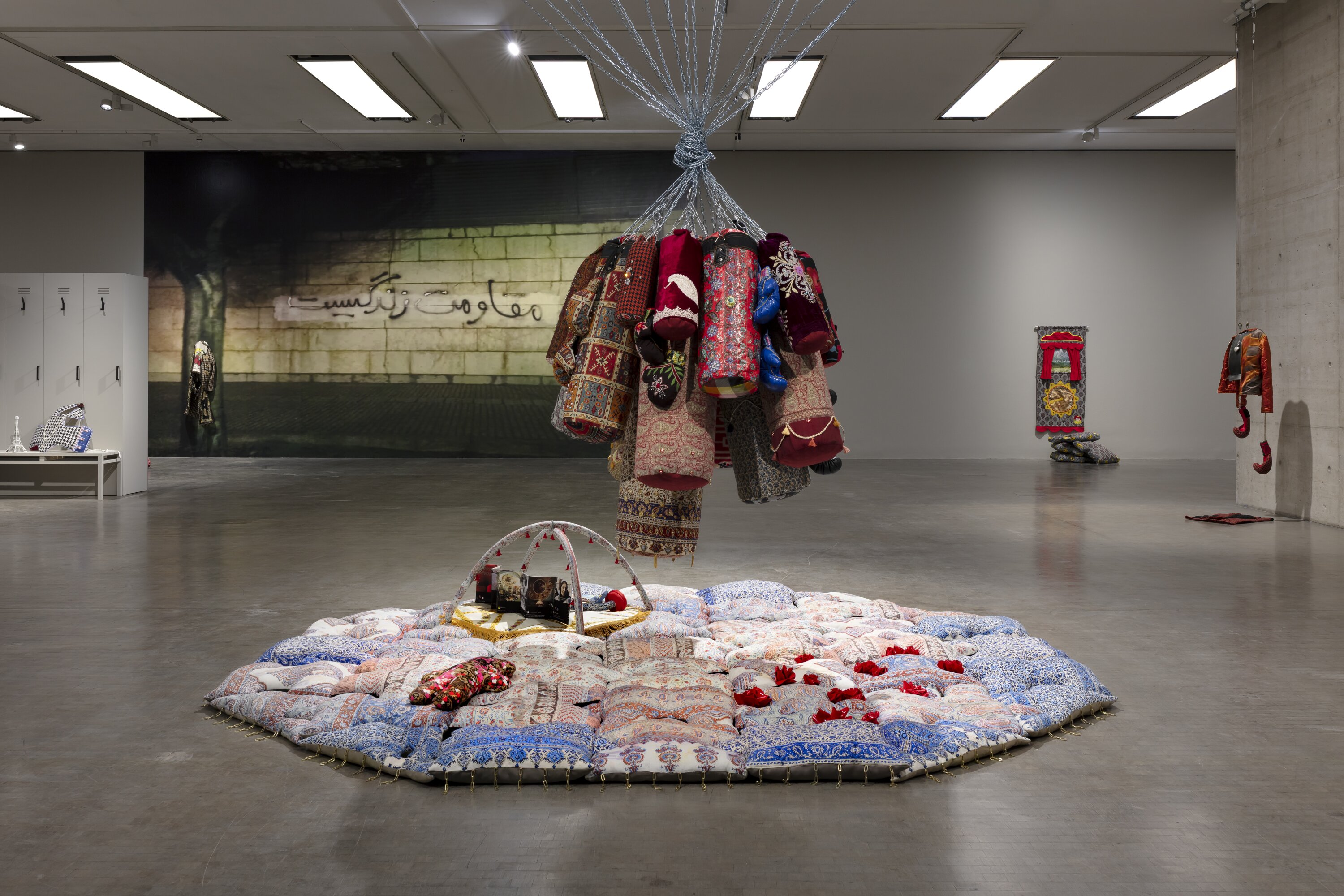
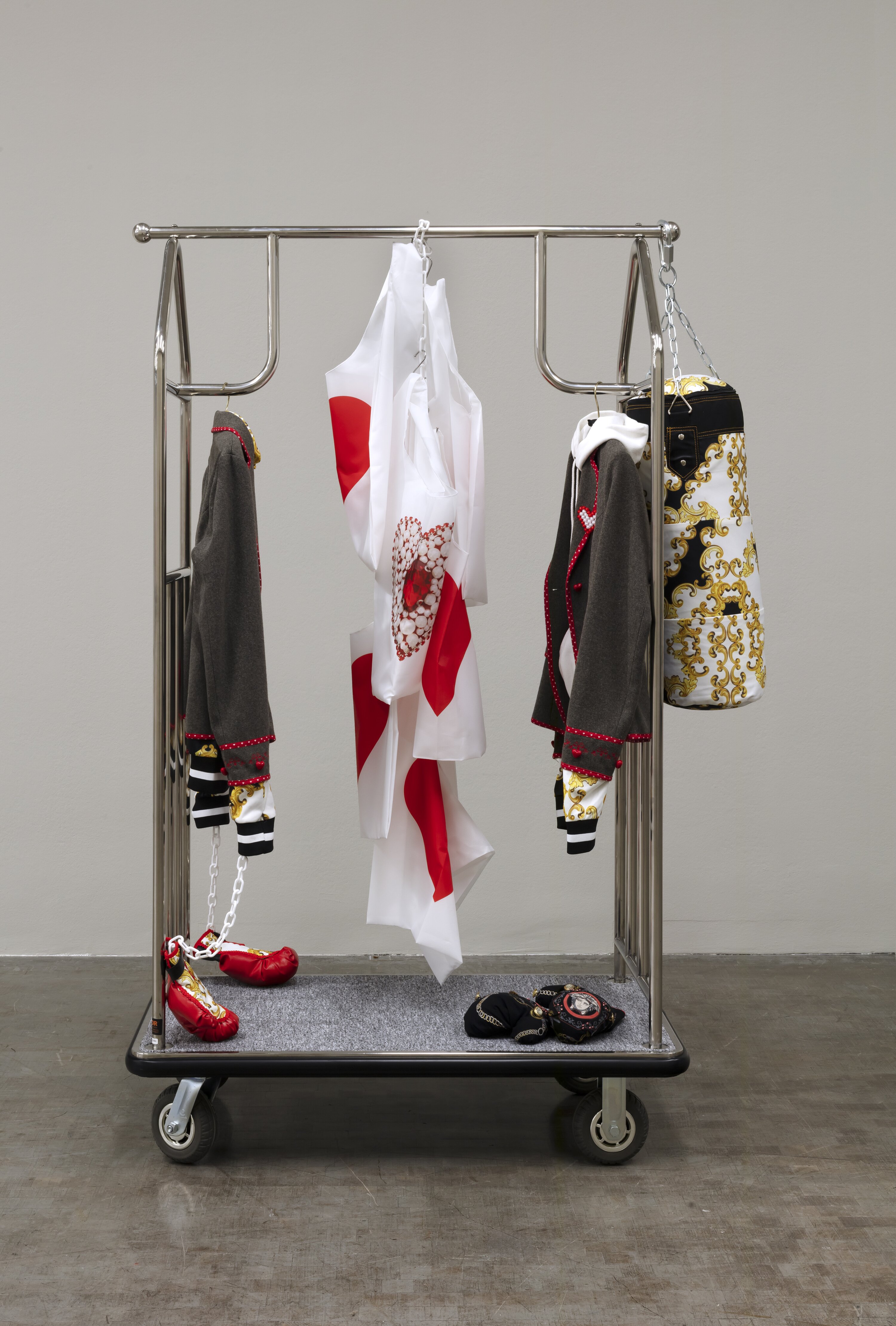
Kunsthalle Wien presents the first solo exhibition outside France by the French-Iranian artist Chalisée Naamani (b. 1995, Paris). Entitled Octogone, the exhibition includes a series of new commissions alongside recent sculpture, print and textile works. Naamani describes her sculpture as ‘image-garments’, produced via a process of layering and collaging images, fabrics and text from diverse sources. While her objects often resemble items of clothing or refer to the history of fashion, they are never intended to be worn. Instead, her sculpture positions fashion as inherently political, drawing upon the applied arts to reveal how questions of form, function and aesthetics are bound to power and cultural meaning. Informed by a wide range of sources, Naamani’s works bring together ornamental traditions from the decorative and fine arts, Persian and Christian iconographies, quotations from popular culture and the internet as well as personal photographs and archival material.
Several sculptures engage – both formally and symbolically – with the visual language of international protest movements and political resistance, envisioning garments as potential carriers of emancipation. From Iran (2025), for instance, refers to the protests against the government of the Islamic Republic of Iran, which are in turn associated with the initiative ‘Woman, Life, Freedom’, formed in response to the death of Mahsa Amini in police custody in 2022. Elsewhere, Cape et gilet jaune (2020) cites the clothing of the French protest group ‘Gilets Jaunes’ [Yellow Vests], whose very name originates from a high-visibility garment, combing functional with political needs. This engagement continues with the newly commissioned sculpture No Kings, Only Queens (2026), which addresses the recent struggles for trans rights in the United States of America, and Liberty Leading the People (2026), titled after Eugène Delacroix’s painting La Liberté guidant le people (1830), which still serves as an iconic image for revolutionary aspirations long after the French July Revolution. Central to Naamani’s practice is the dissemination of images and symbols that accompany these movements and the processes of translation they undergo – historically and within today’s condition of constant reproduction and appropriation via social media. At the same time, the works trace the cultural circulation of images and garments within a globalized world, shaped by migration, tourism and the networks of production, display and consumption that shape the fashion industry.
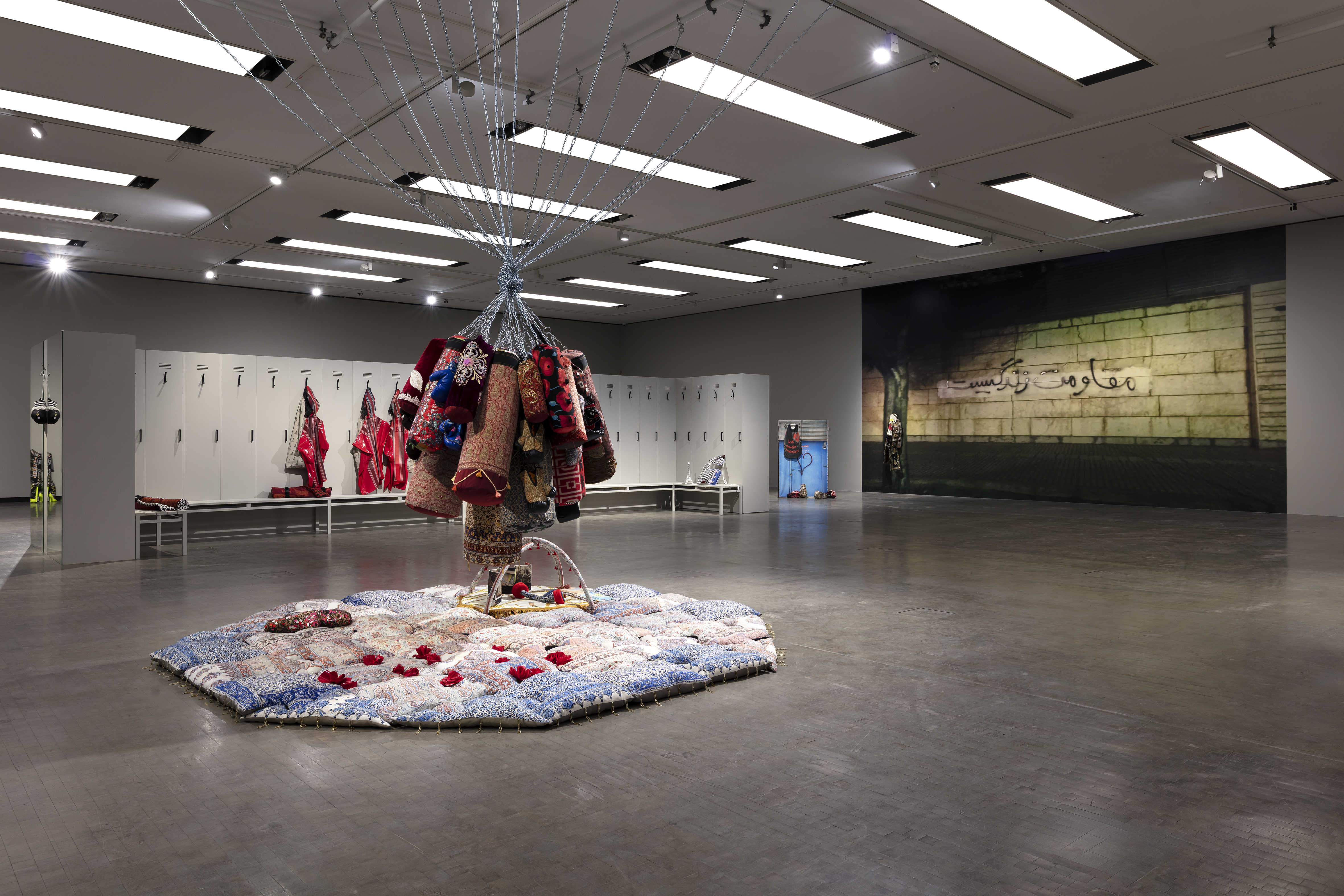
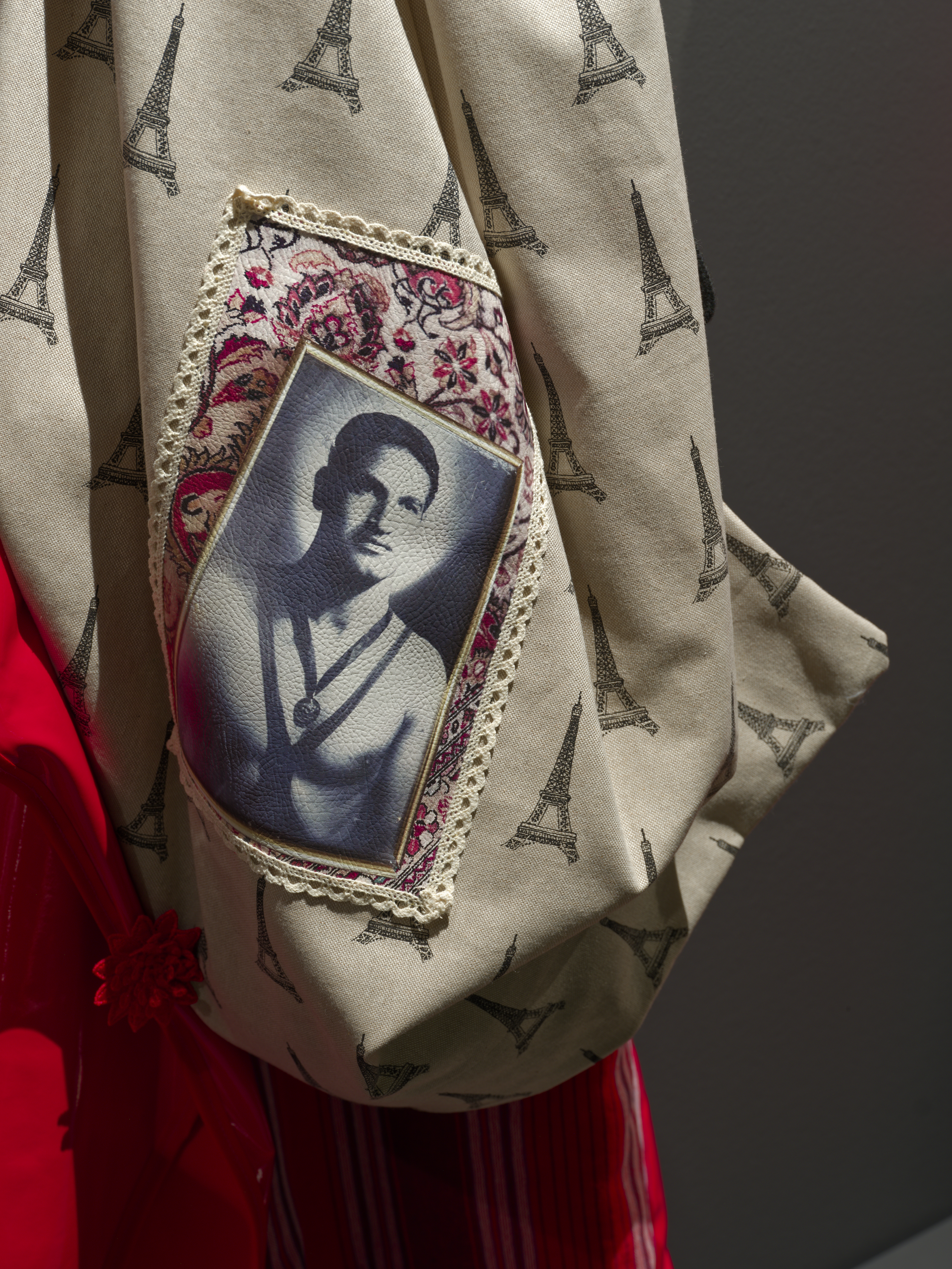
The title and design of the exhibition refer to the Zurkhaneh [House of Strength]: In Iran and neighbouring countries, this training space features an octagonal ring and is dedicated to the practice of Varzesh-e Pahlavani, a martial art rooted in the pre-Islamic period. Following the Arab conquest of Iran in the seventh century, the sport was banned due to its perceived revolutionary potential as a form of cultural and physical resistance. Naamani’s exhibition and its scenography (resembling a changing room with lockers and mirrors) intersects this aspect of Iran’s cultural history with that of the artist’s family. She refers to her grandfather who practised the sport and appears in a black-and-white photograph wearing his medals, which are embroidered onto capes modelled on traditional training attire within the installation Who claims love (2025). More recently, the practice of Varzesh-e Pahlavani – long dominated exclusively by men – has been claimed by women in the context of emancipatory movements in Iran.
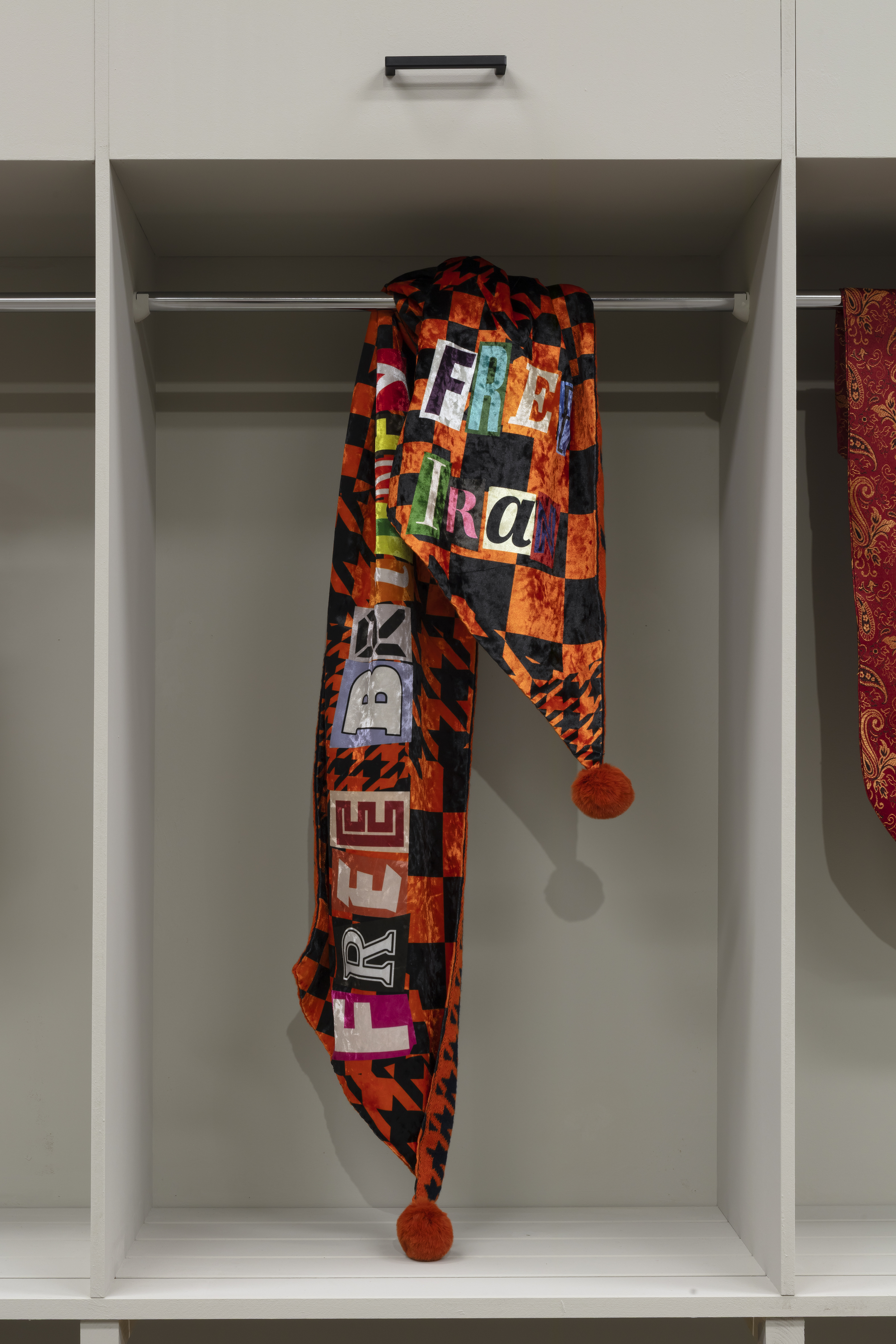
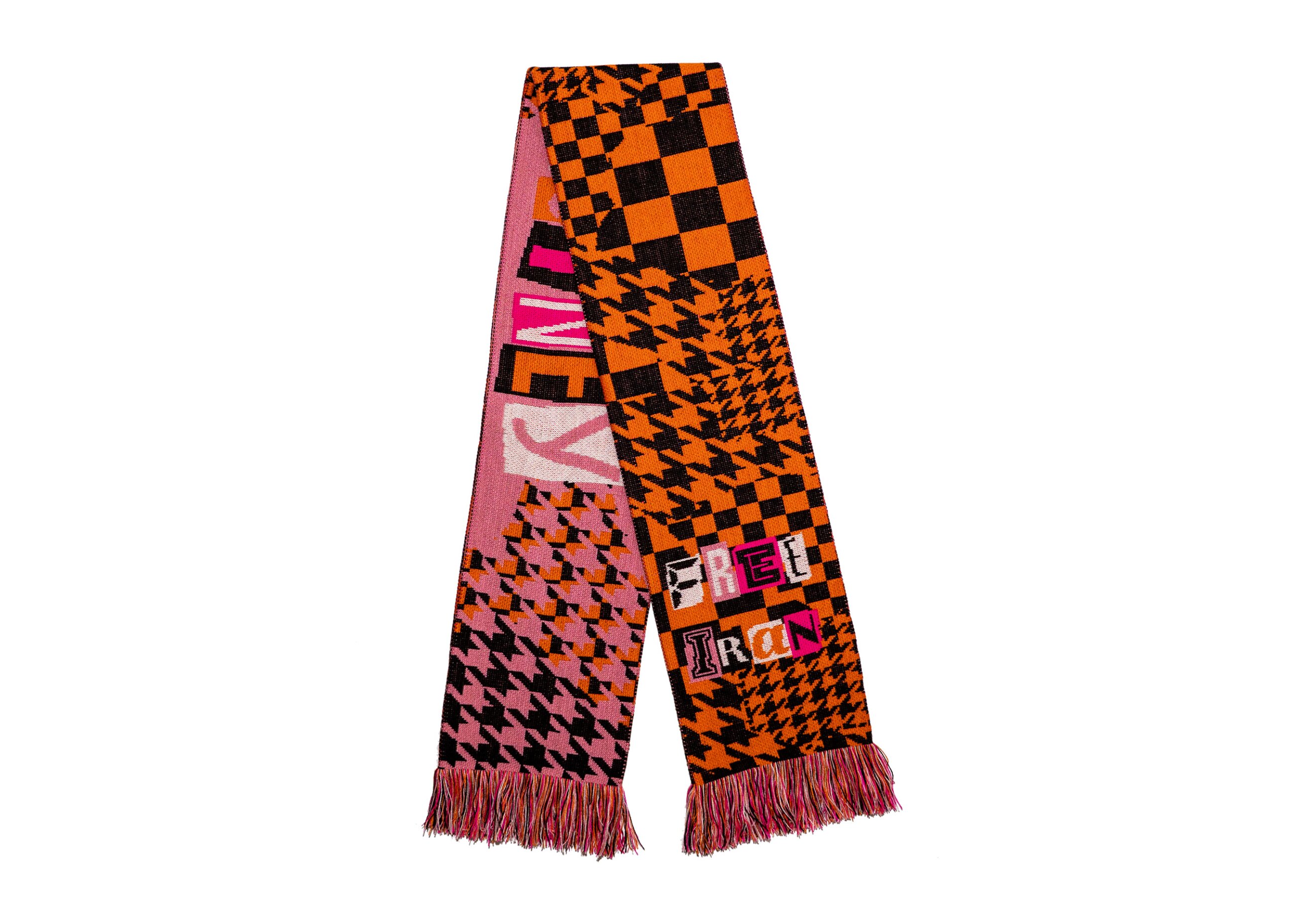
Chalisée Naamani has created a scarf as part of Kunsthalle Wien’s series of artists’ editions. It takes the form of a football scarf with the slogans ‘Free Britney’ and ‘Free Iran’.
The exhibition is organised in collaboration with Palais de Tokyo, Paris.
Shop


Media


Events
28.1.26
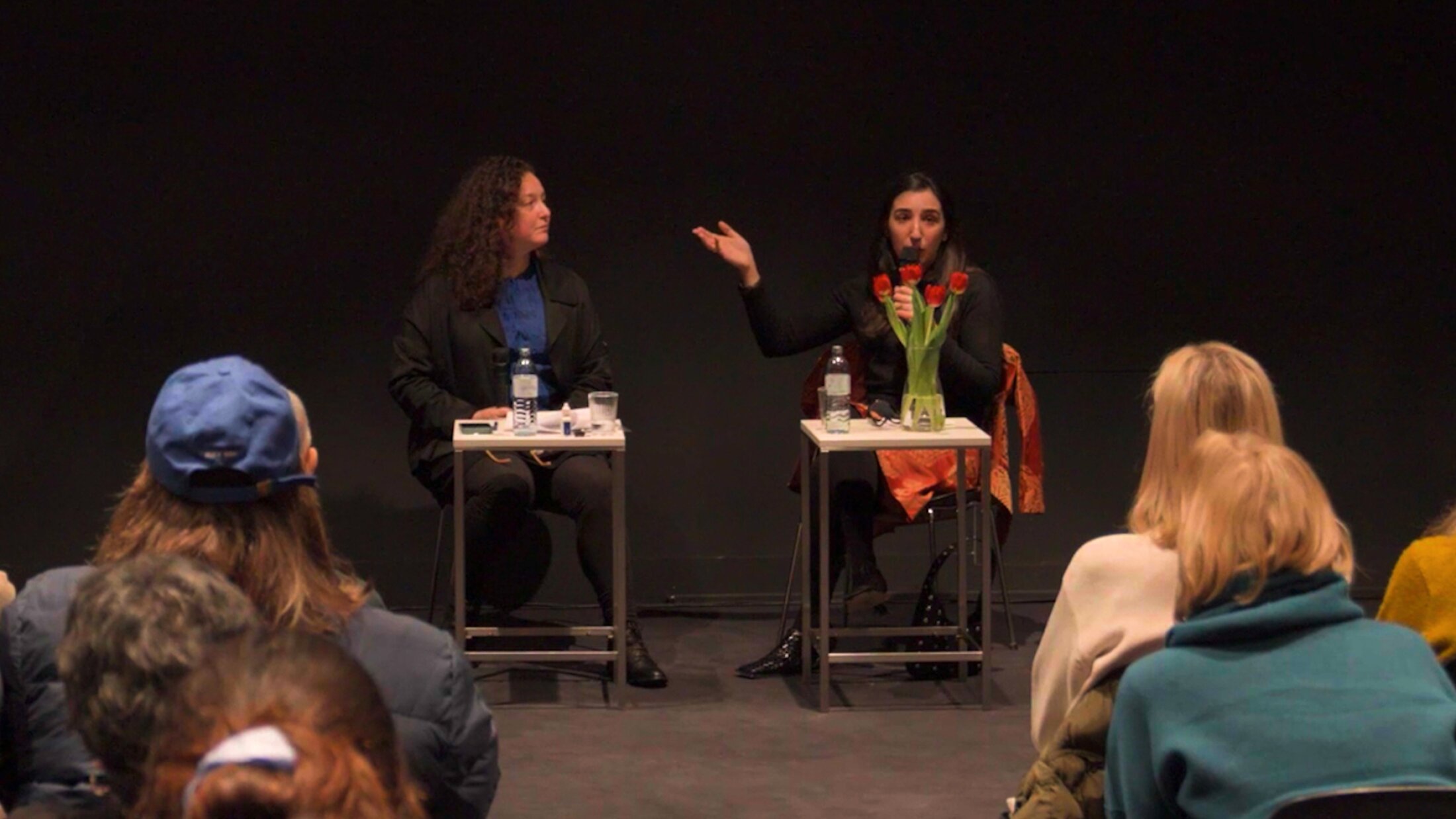
Exhibition Opening & Artist Talk (DE/EN/ÖGS)
Chalisée Naamani: Octogone

5.2.26
Curator’s Tour (DE)
Chalisée Naamani: Octogone

22.2.26
Free Sunday supported by Dorotheum
22.2.26
Guided Tour (DE)
Chalisée Naamani: Octogone

24.2.26
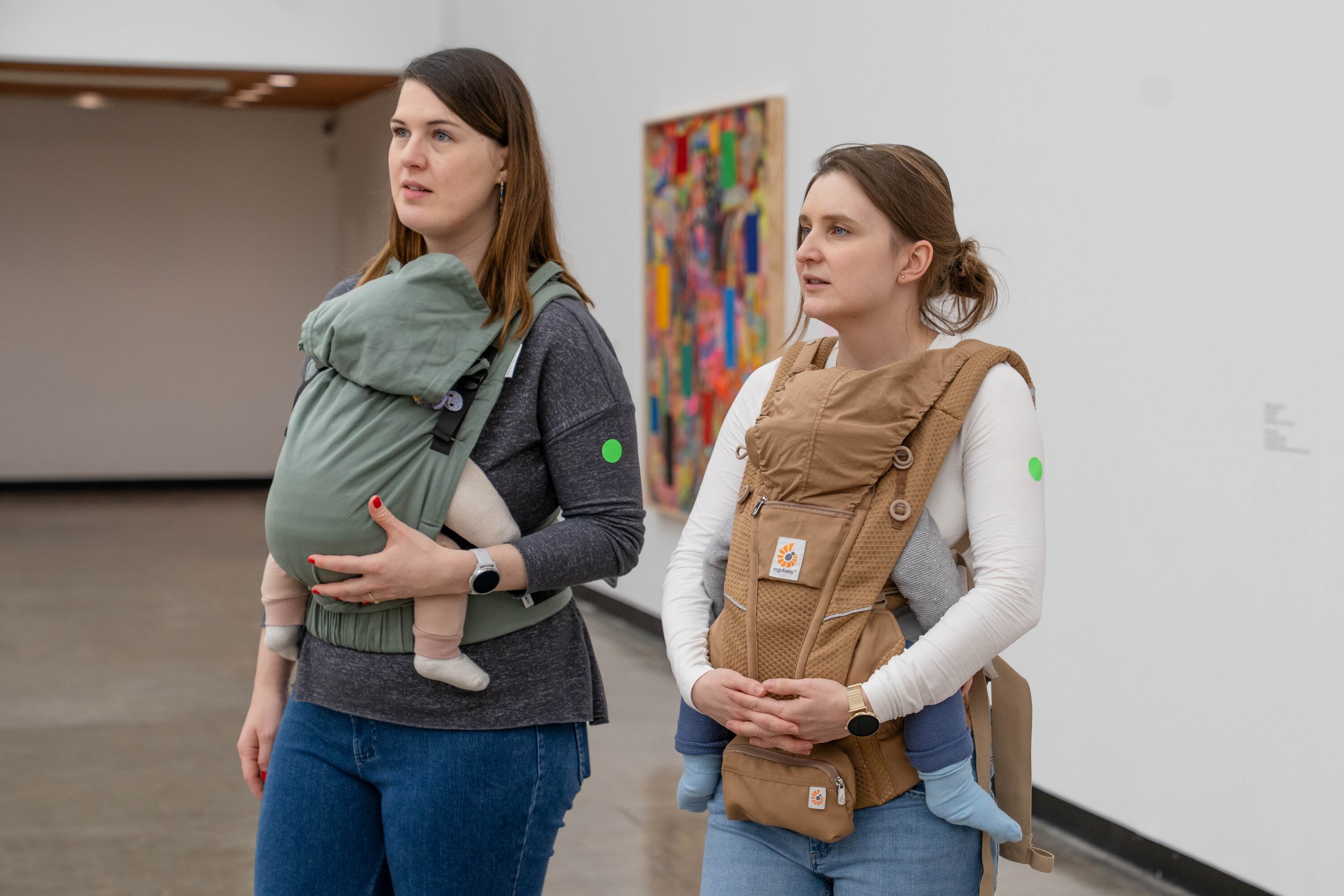
Visiting Kunsthalle Wien with Your Baby: A Baby-Friendly Guided Tour (DE)
Chalisée Naamani: Octogone

26.2.26
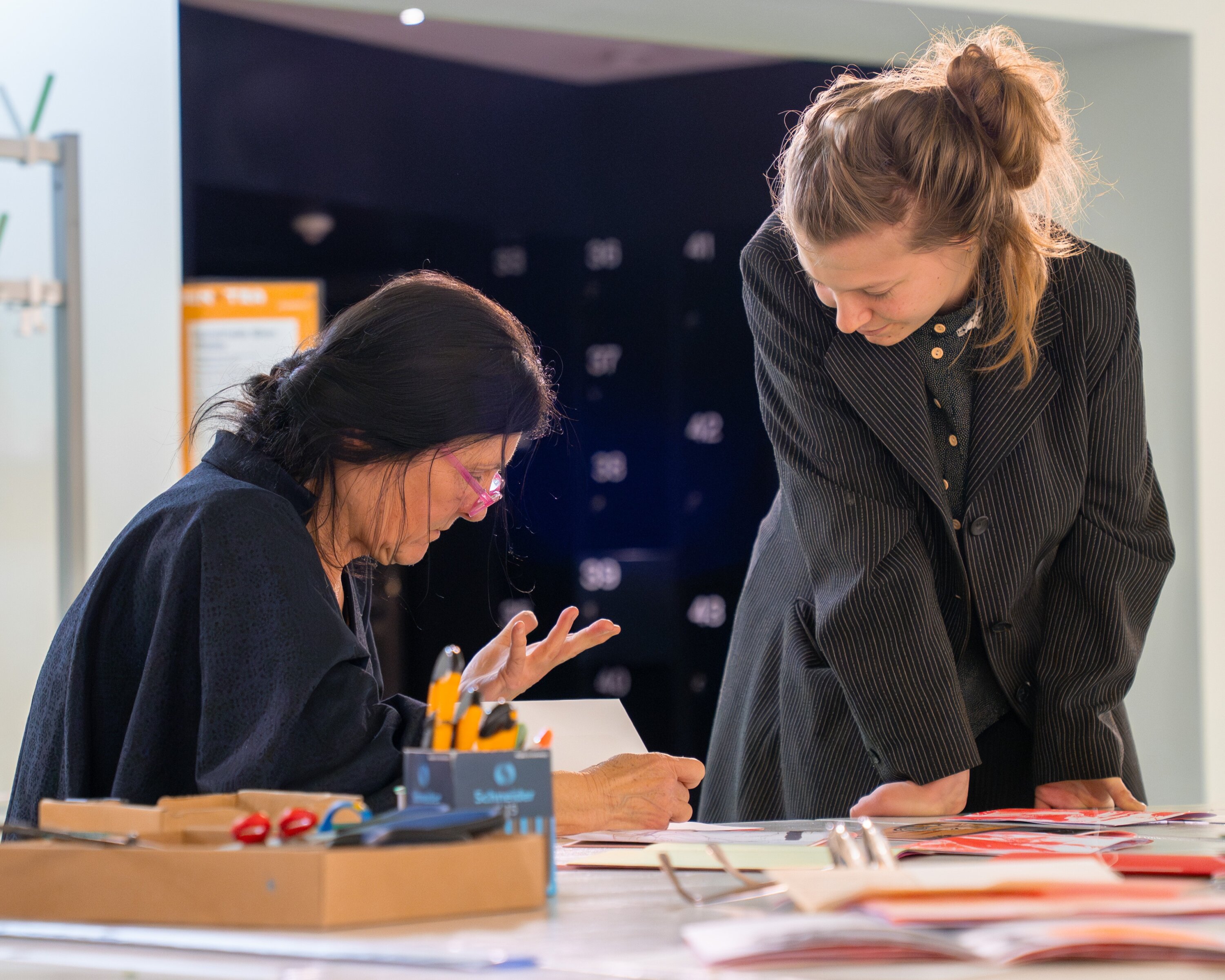
Inclusive Writing Workshop with Ohrenschmaus (DE)
Images Become Words

7.3.26
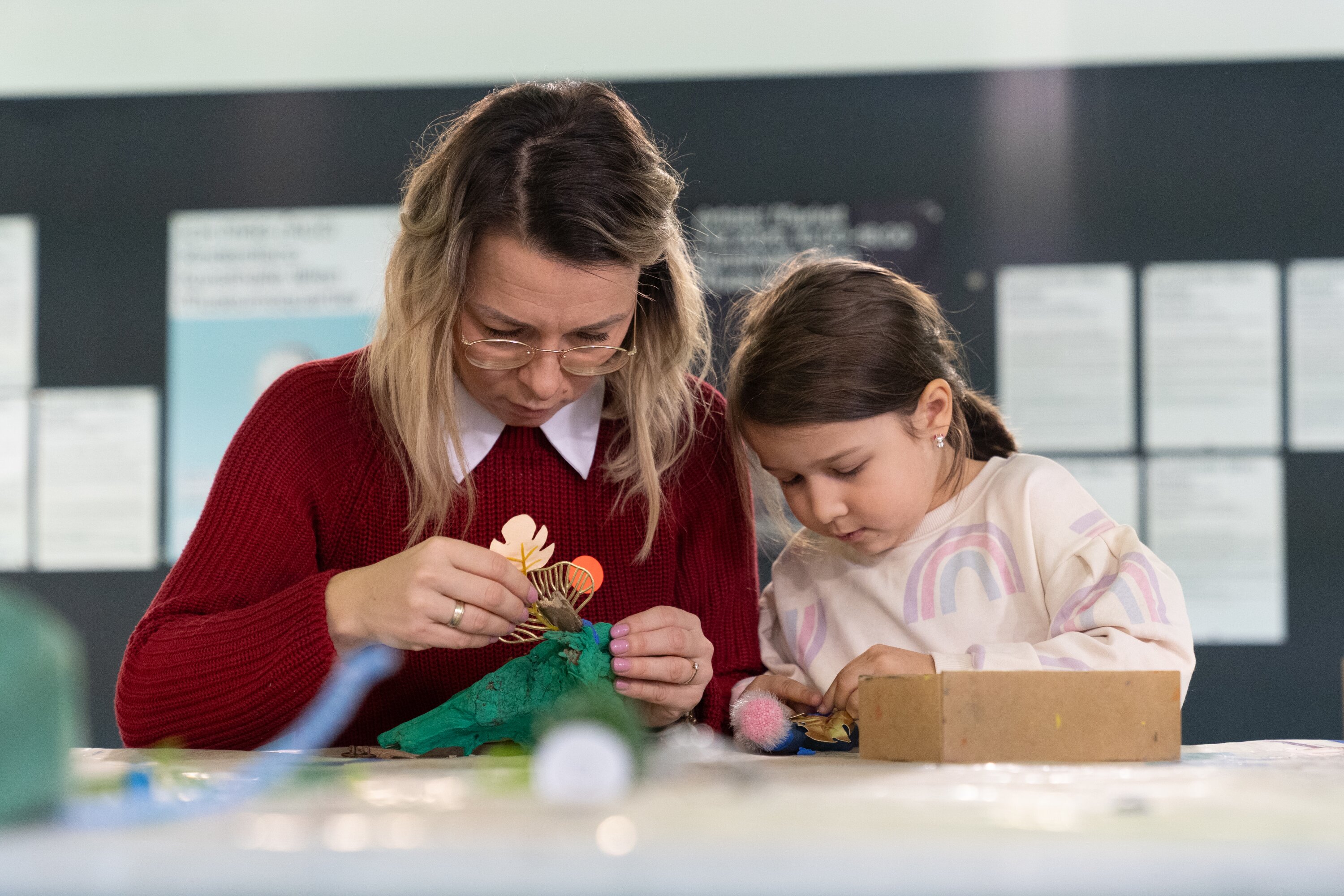
Workshop for Kids and Families (DE/EN)
Small Pendants – Powerful Symbols

14.3.26
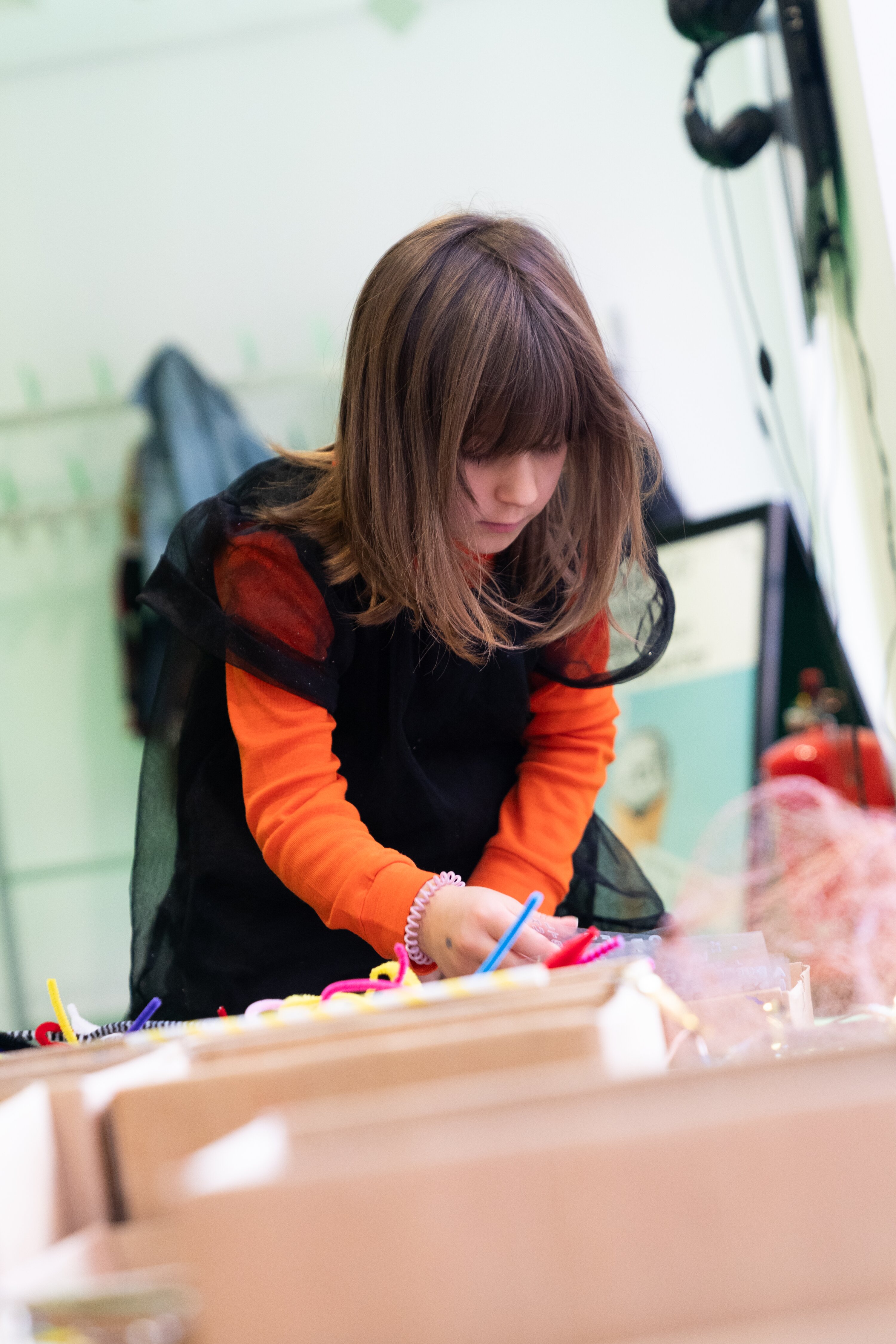
Workshop for Kids and Families (DE/EN)
Small Pendants – Powerful Symbols

14.3.26
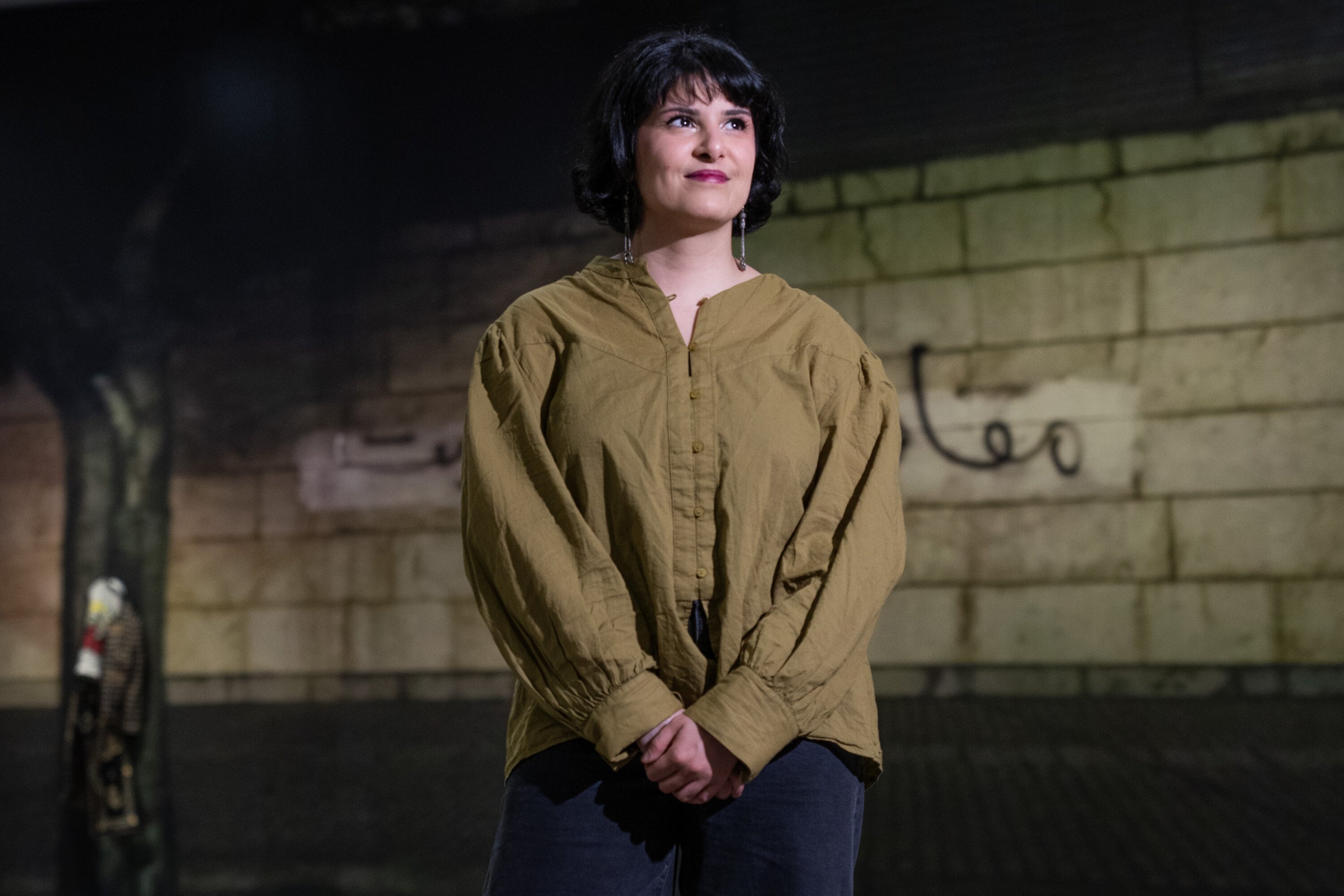
Guided Tour in Farsi
Chalisée Naamani: Octogone

21.3.26
Workshop for Kids and Families (DE/EN)
Small Pendants – Powerful Symbols

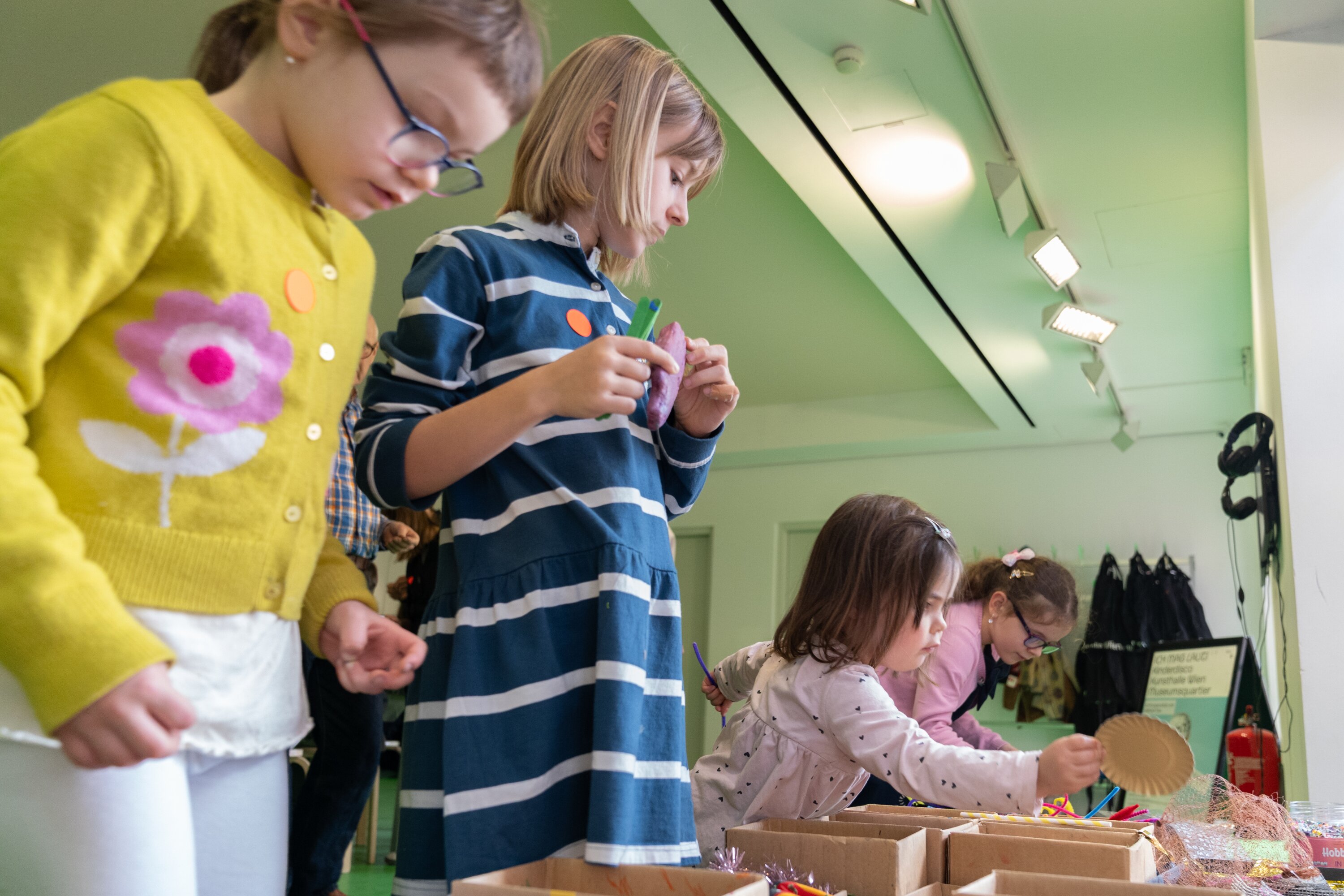
28.3.26
Workshop for Kids and Families (DE/EN)
Small Pendants – Powerful Symbols

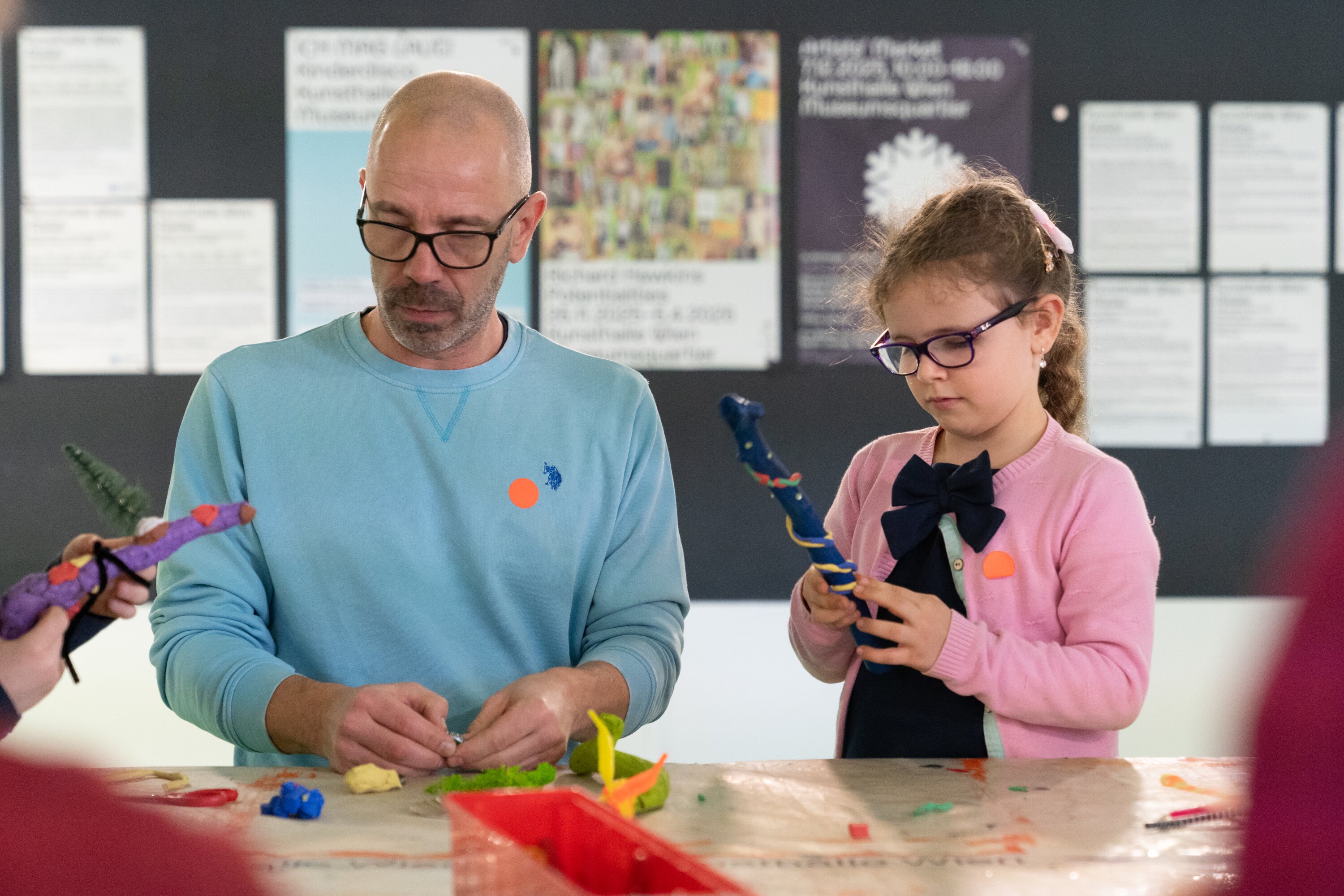
29.3.26
Free Sunday supported by Dorotheum

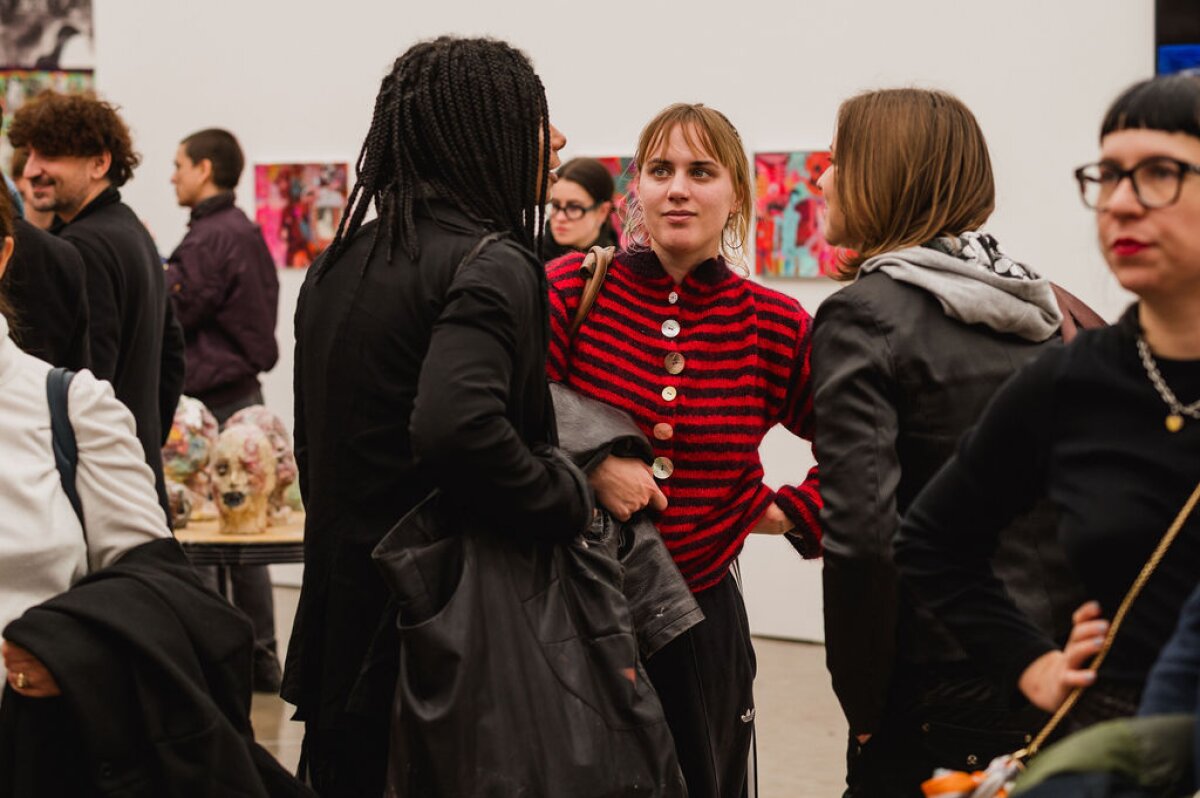
29.3.26
Guided Tour (DE)
Chalisée Naamani: Octogone
31.3.26
Workshop for Kids and Families (DE/EN)
Small Pendants – Powerful Symbols
1.4.26
Workshop for Kids and Families (DE/EN)
Small Pendants – Powerful Symbols

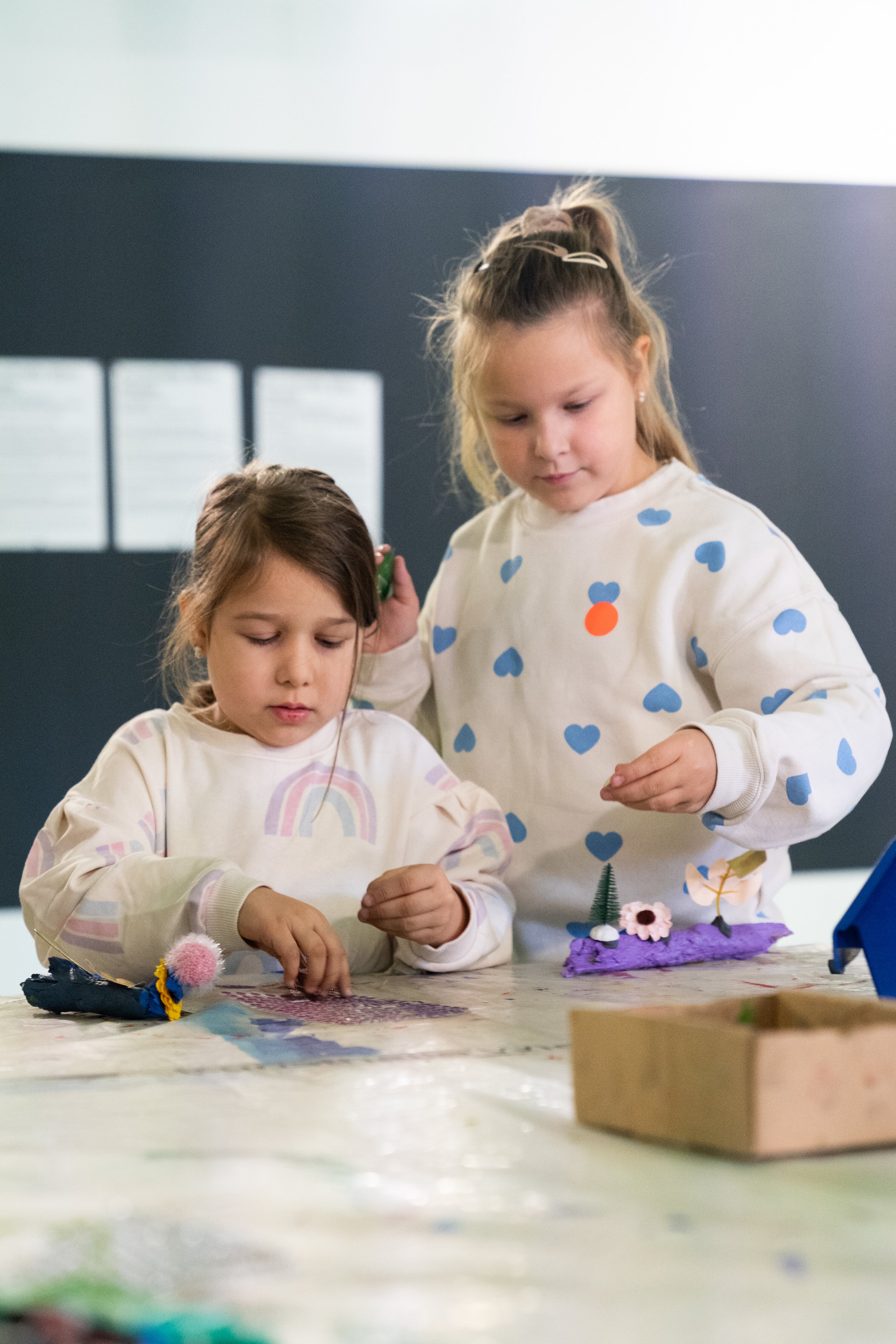
2.4.26
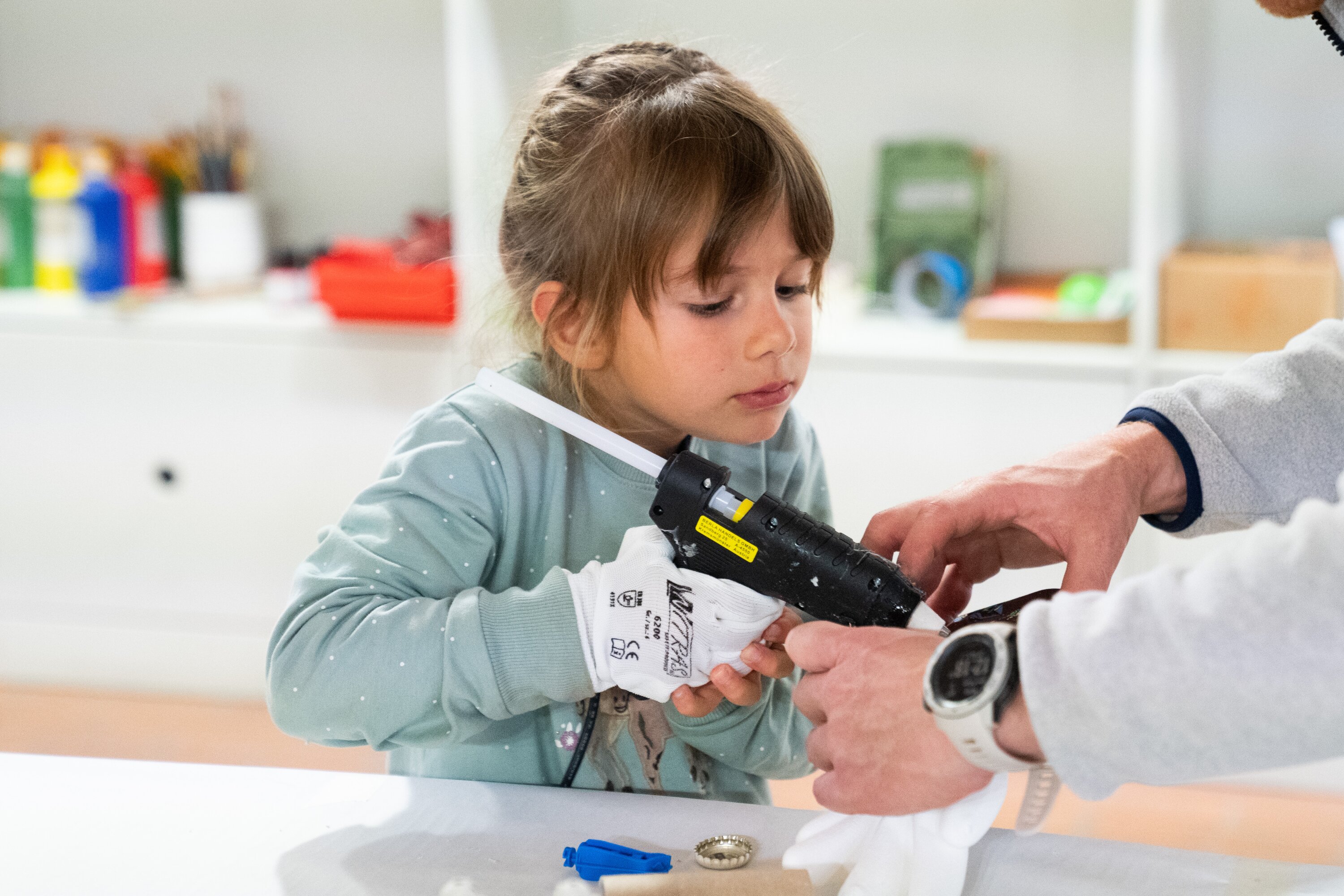
Workshop for Kids and Families (DE/EN)
Small Pendants – Powerful Symbols

2.4.26
Guided Tour (EN)
Chalisée Naamani: Octogone

3.4.26
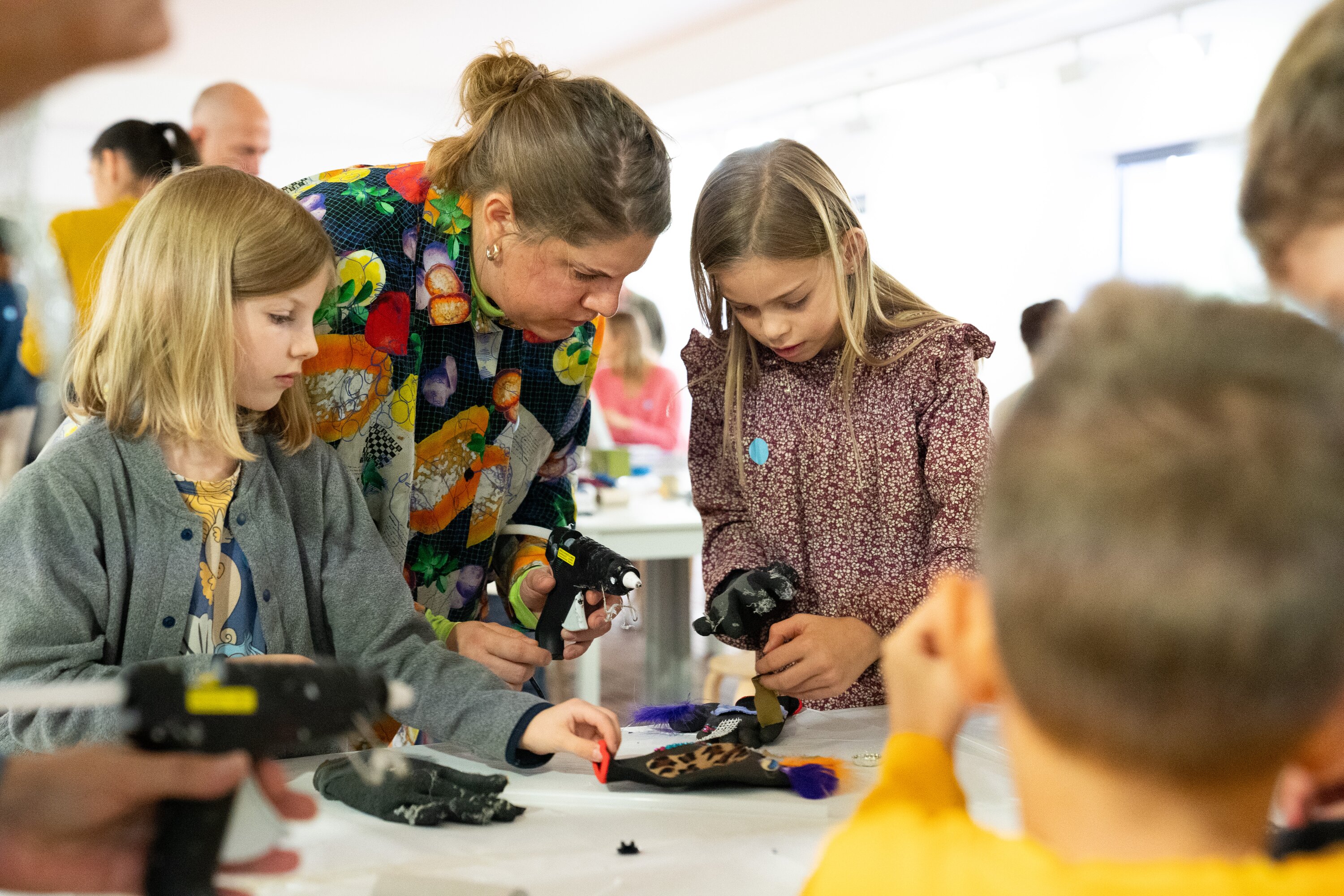
Workshop for Kids and Families (DE/EN)
Small Pendants – Powerful Symbols

Support
The exhibition is realised with the generous support of the Institut français.